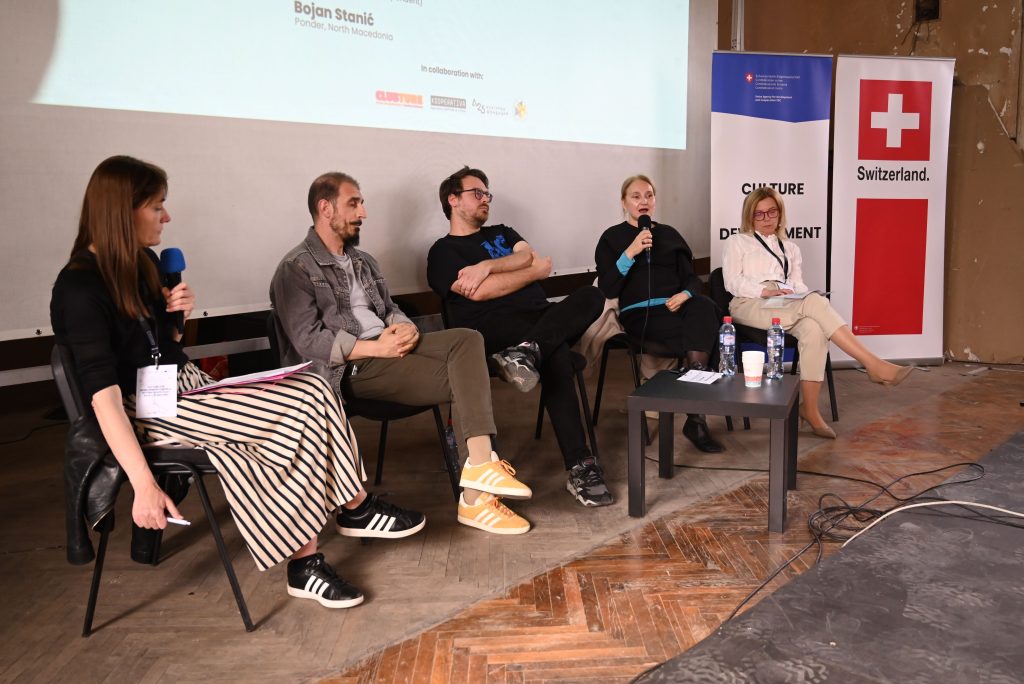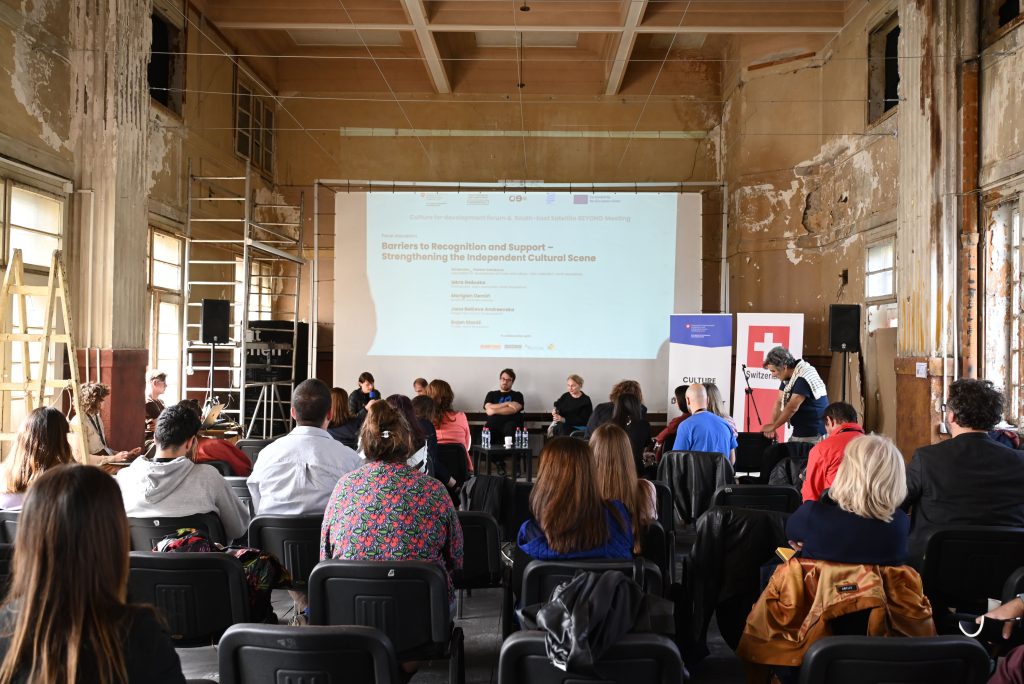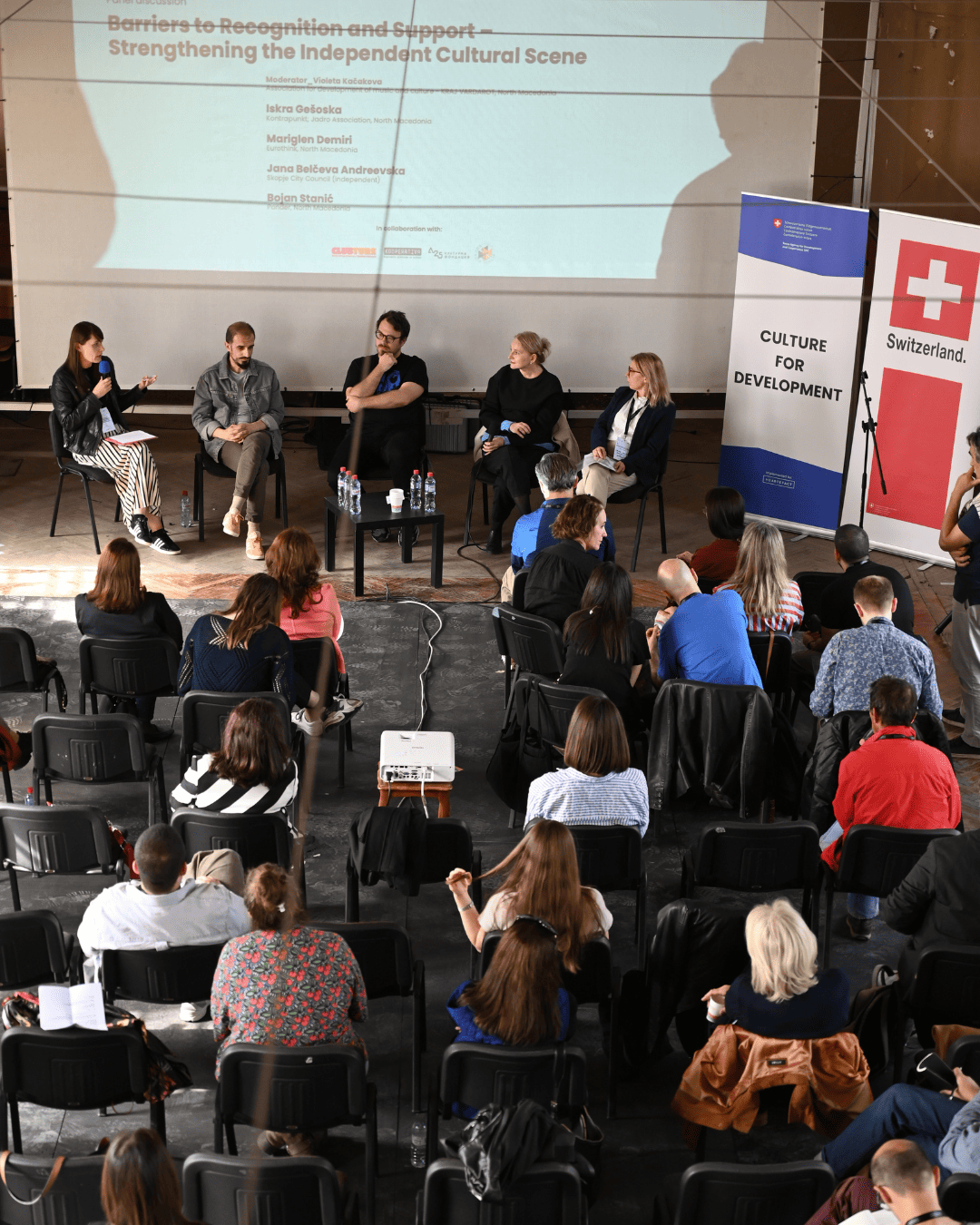
For two days, on May 13 and 14, Skopje became a meeting point for artists, cultural workers, activists, and international cultural networks from North Macedonia, the region, and across Europe through the Culture for Development Forum, organized by Heartefact in collaboration with Clubture, Kooperativa, A25 Cultural Foundation, and Euradia.
Opening the event, Sarah Maliqi, the team leader of the Heartefact&s team in the North Macedonia, highlighted the importance of creating stronger connections between local independent cultural actors and European cultural networks, especially at a time when long-term support for culture is increasingly limited. She emphasized that socially engaged art and independent culture play an important role in building more inclusive, resilient, and connected societies.
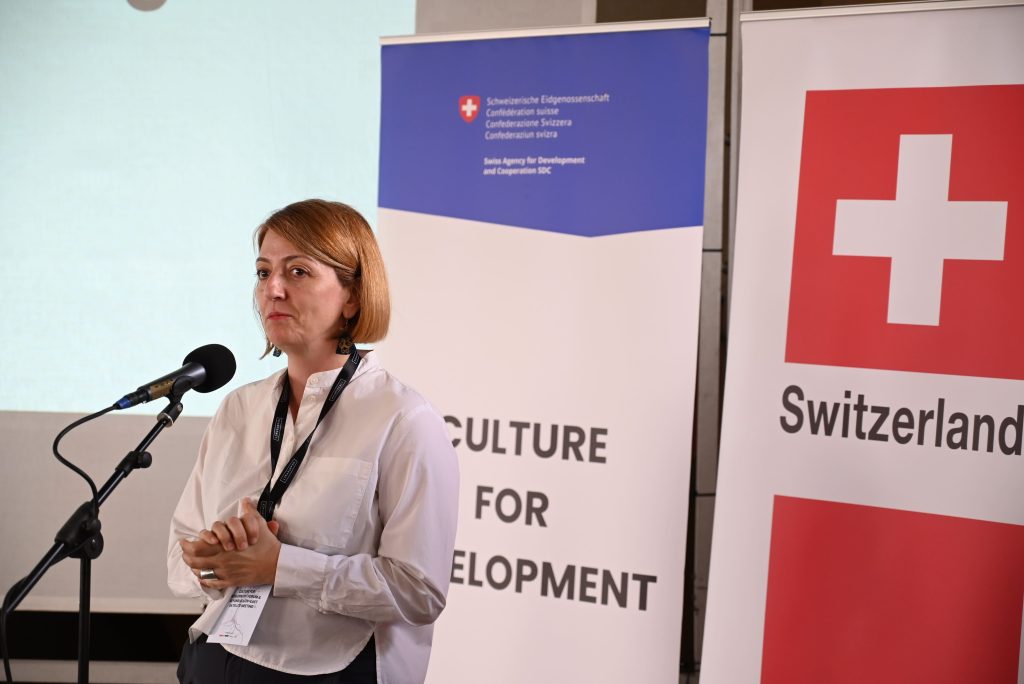
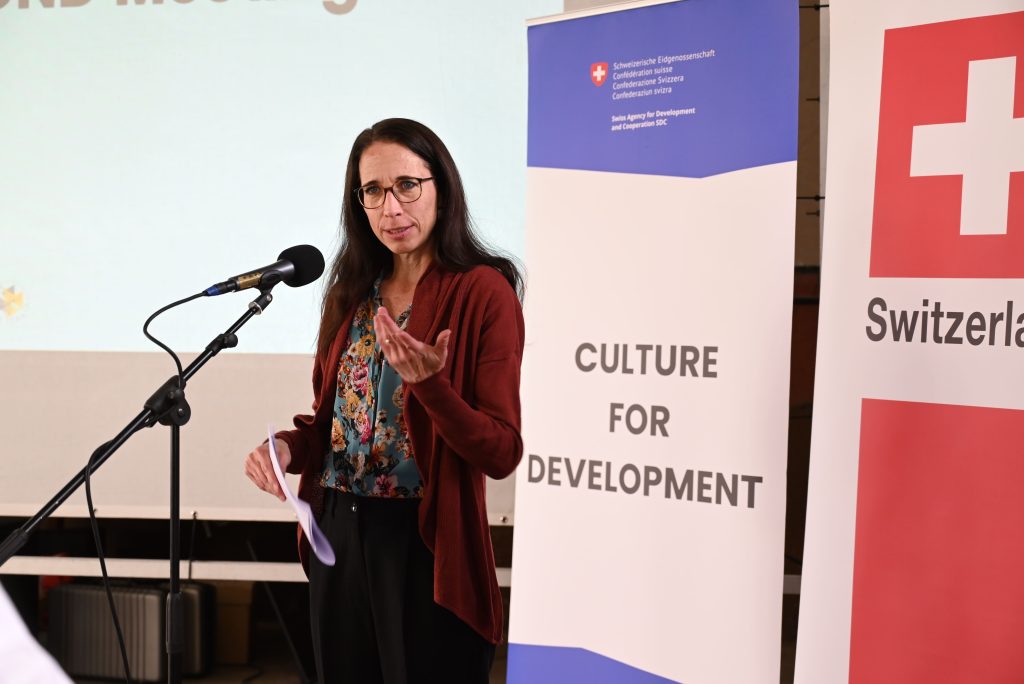
The event was also opened by representatives of the Embassy of Switzerland in North Macedonia, whose support made the forum possible. Addressing participants, Deputy Head of Mission Ms. Michal Harari underlined the importance of supporting an active and visible independent cultural scene in North Macedonia and strengthening connections between local cultural actors and Europe. She stressed: “Culture and artistic expression are essential parts of democratic and open societies and stronger collaboration and shared advocacy within the sector are highly encouraged.”
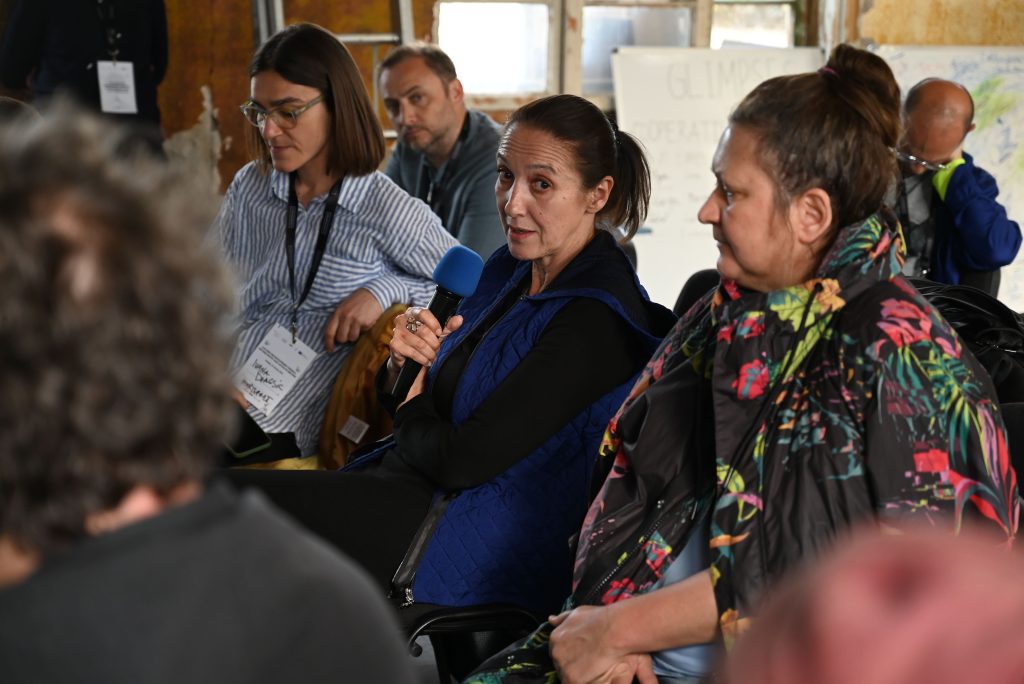
The event was held in two spaces important for the local independent cultural scene in Skopje – the Cinema at the Railway Building and Youth Center Matichno, gathering more than 50 participants and speakers from North Macedonia, the Balkans, and wider Europe. Together they created a space for discussion, exchange, and new collaborations within the independent cultural sector. Conversations focused on artistic freedom, public cultural spaces, working conditions for artists and cultural workers, sustainable support for independent culture, and stronger regional and European cooperation.
Throughout the forum, the participants discussed how to create cultural ecosystems that are more sustainable, connected, and accessible, especially for independent artists and organizations that often work in unstable conditions. Speakers shared experiences from North Macedonia, the Balkans, and different European countries, opening conversations about long-term cultural policies, public spaces for culture, international networking, and the role of culture in social development.
The second day focused on international cultural cooperation and European networks, bringing together representatives of organizations such as Culture Action Europe and International network for contemporary performing arts – IETM. Discussions highlighted the importance of connecting local cultural scenes with broader European initiatives and creating opportunities for mobility, knowledge-sharing, advocacy, and collaboration across borders. Representatives of several Western European organizations and networks also emphasized that, in the current social and political moment, Europe has much to learn from the resilience, solidarity, and adaptability continuously demonstrated by cultural actors across the Balkans.
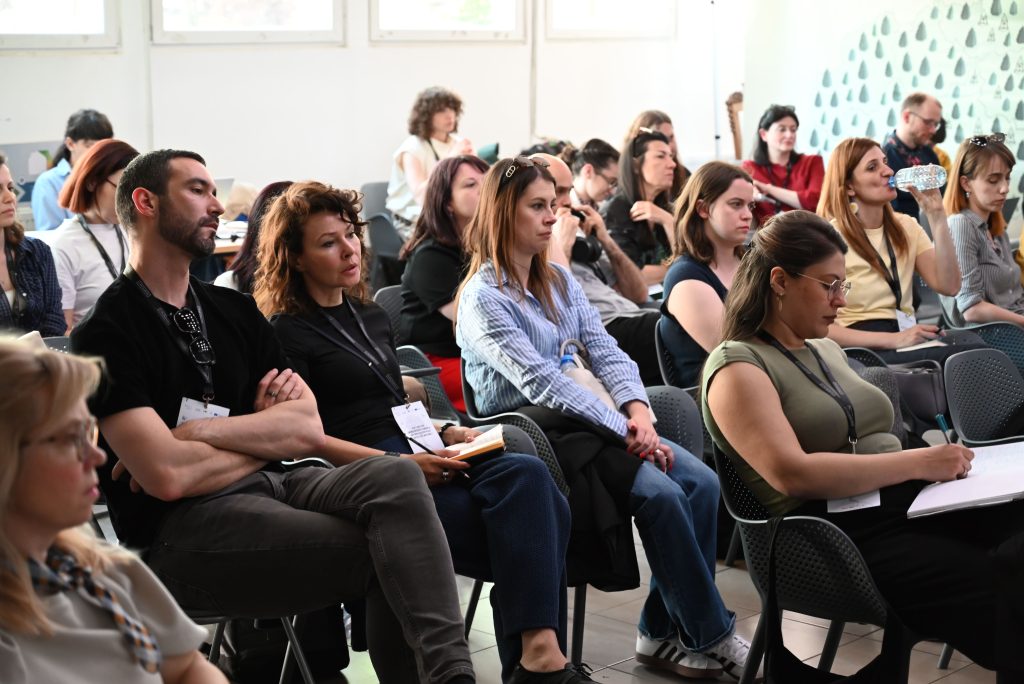
The forum demonstrated how international cooperation can strengthen the independent cultural scene in North Macedonia and bring it closer to wider European cultural conversations, while creating new opportunities for artists and cultural workers from North Macedonia, the region, and Europe to connect and collaborate.
The next two days will be dedicated to the continuation of dialogue on these and related topic within the South-East Satellite BEYOND event.
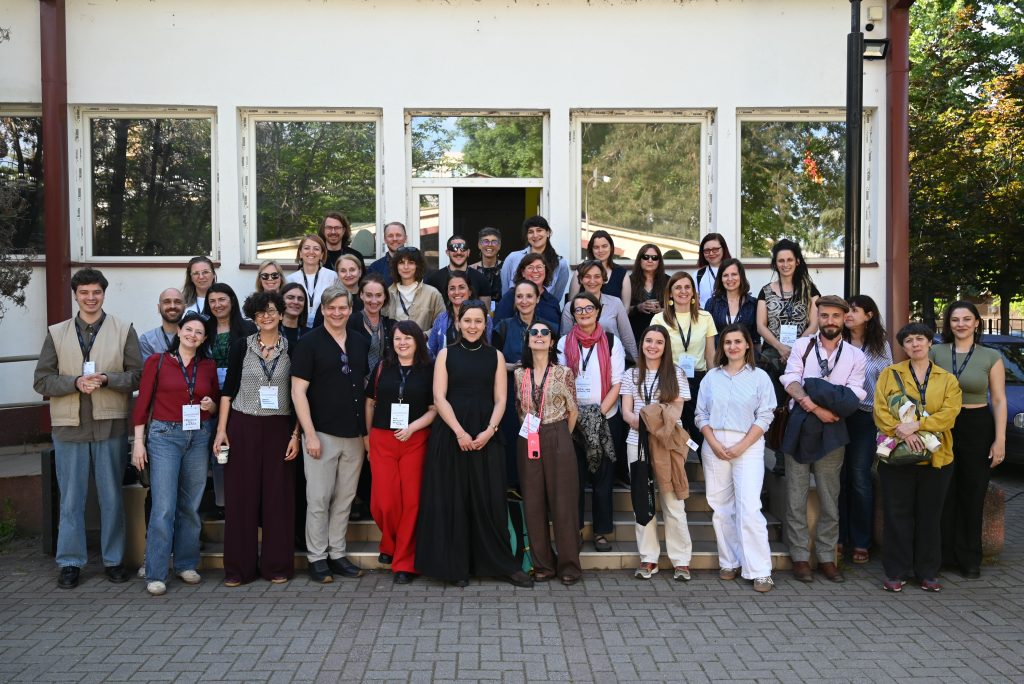
This activity is supported by the Culture for Development project of the Government of Switzerland, implemented by Heartefact.