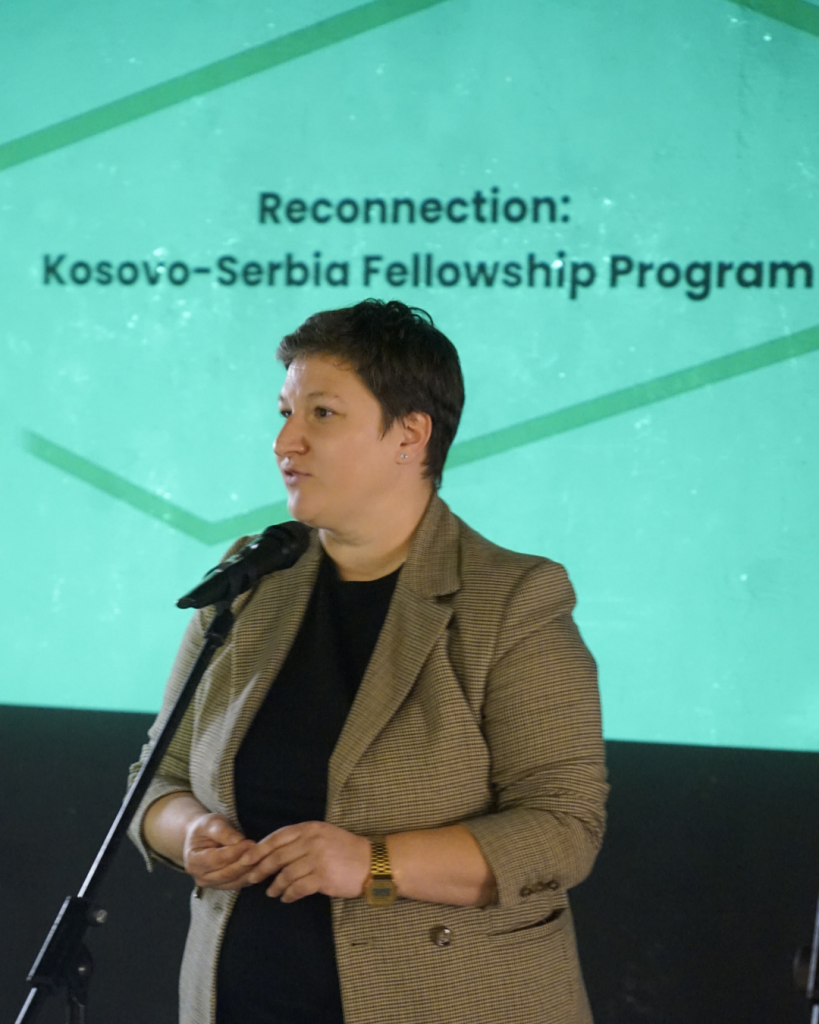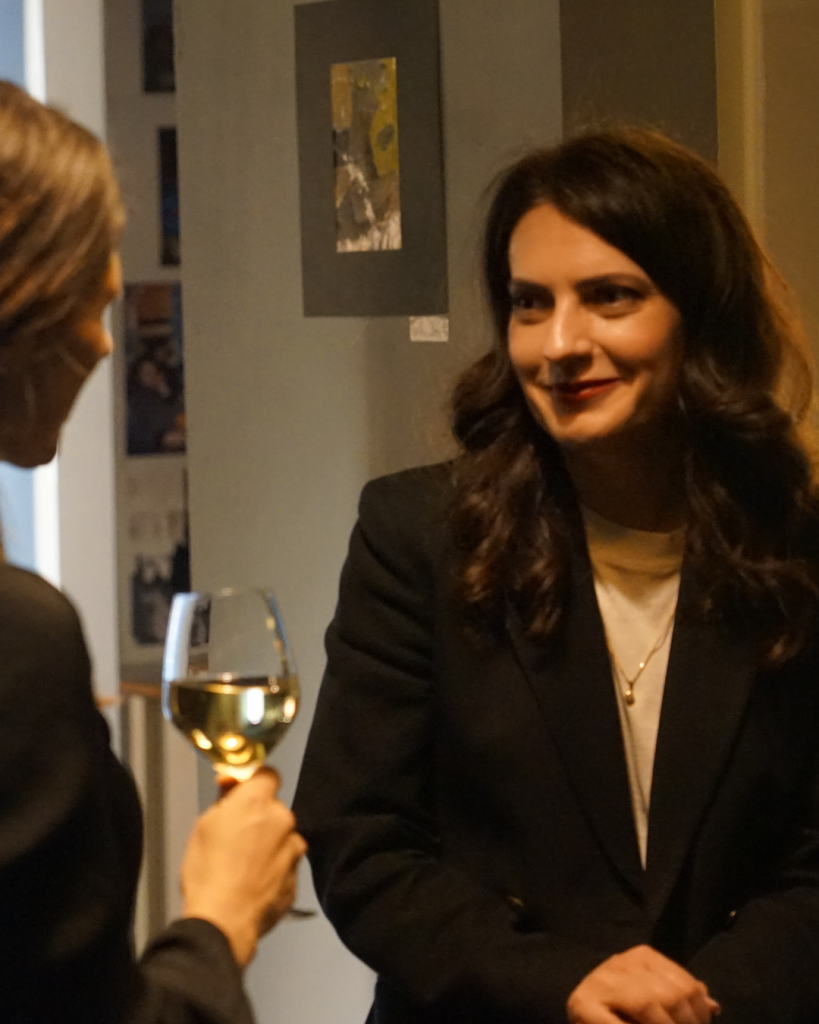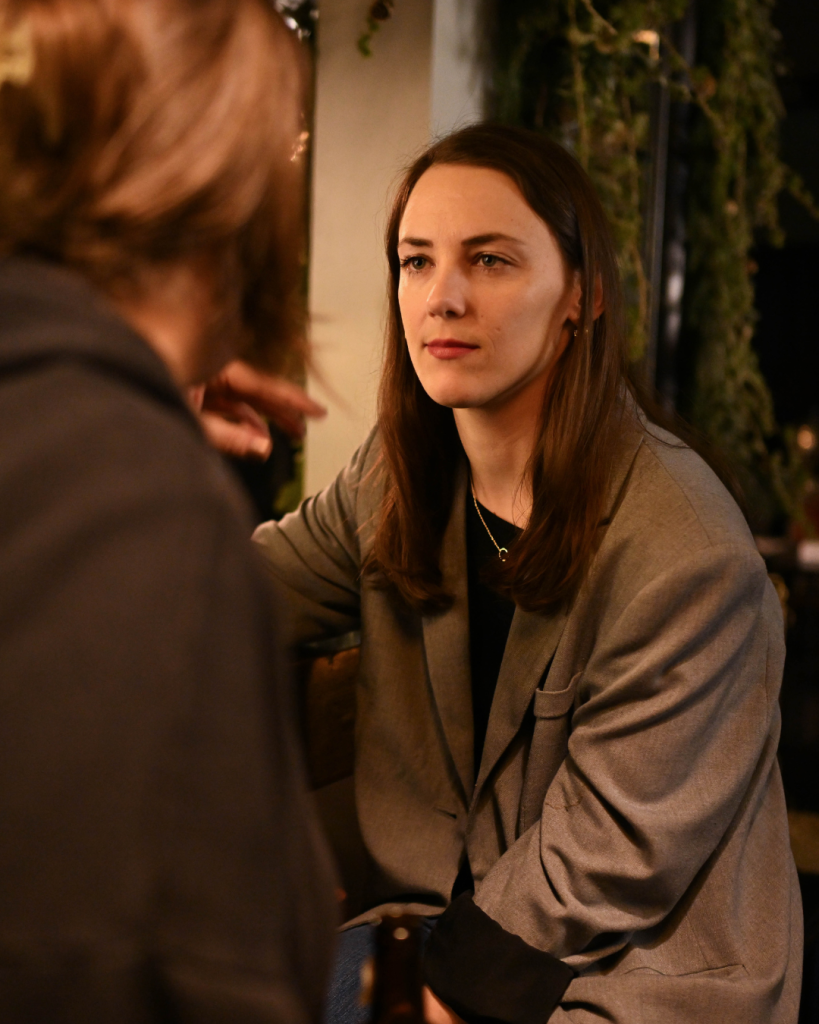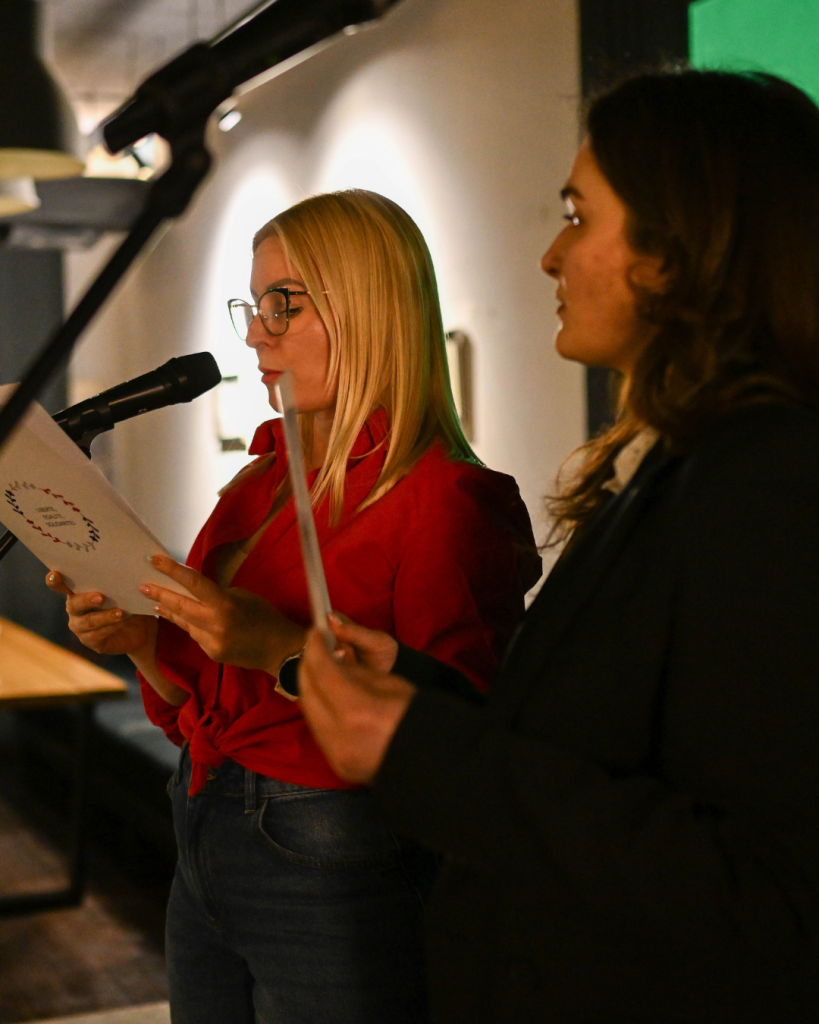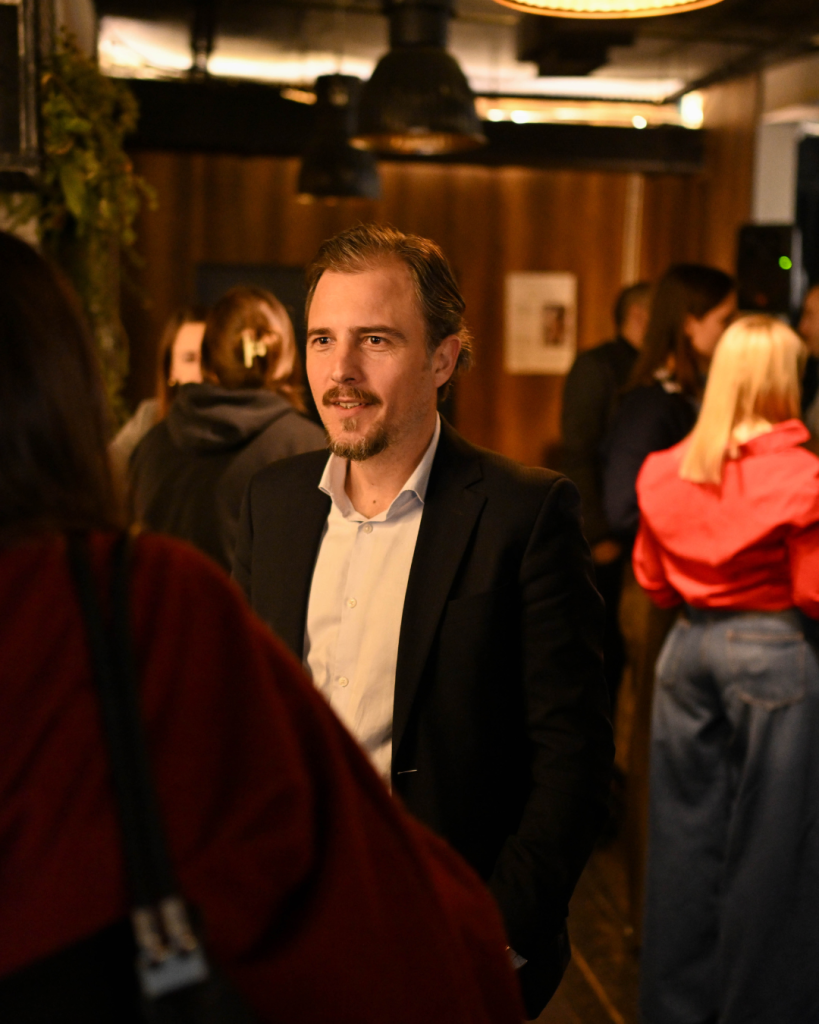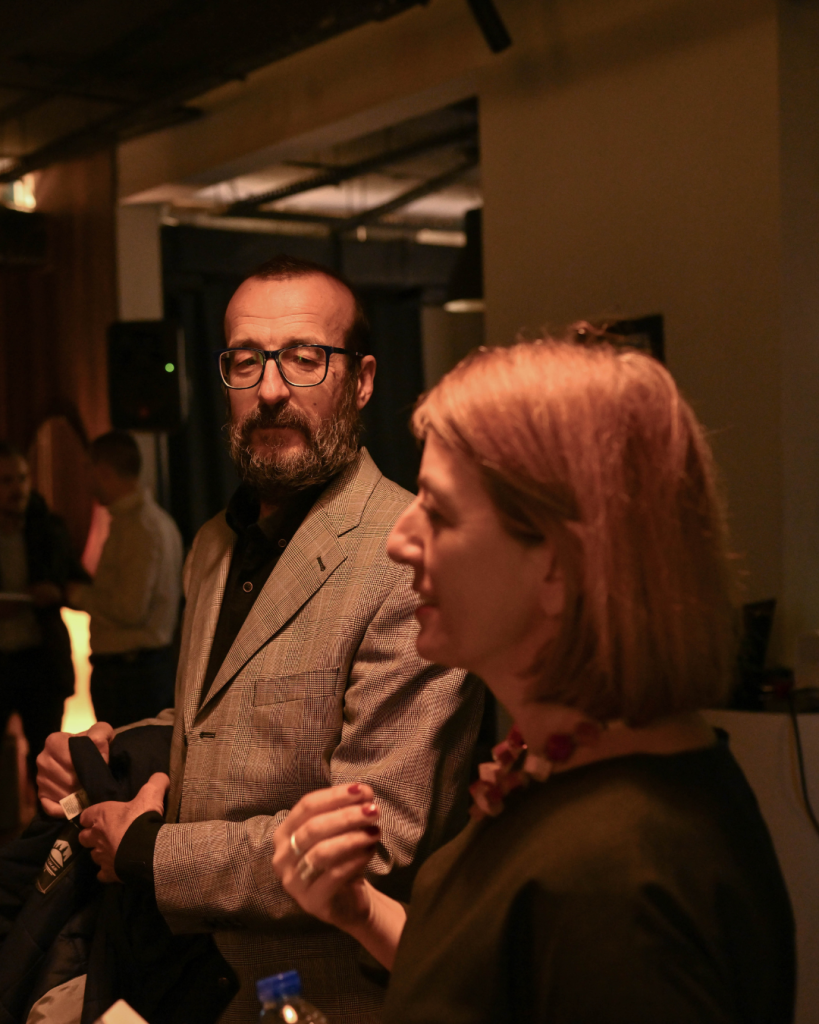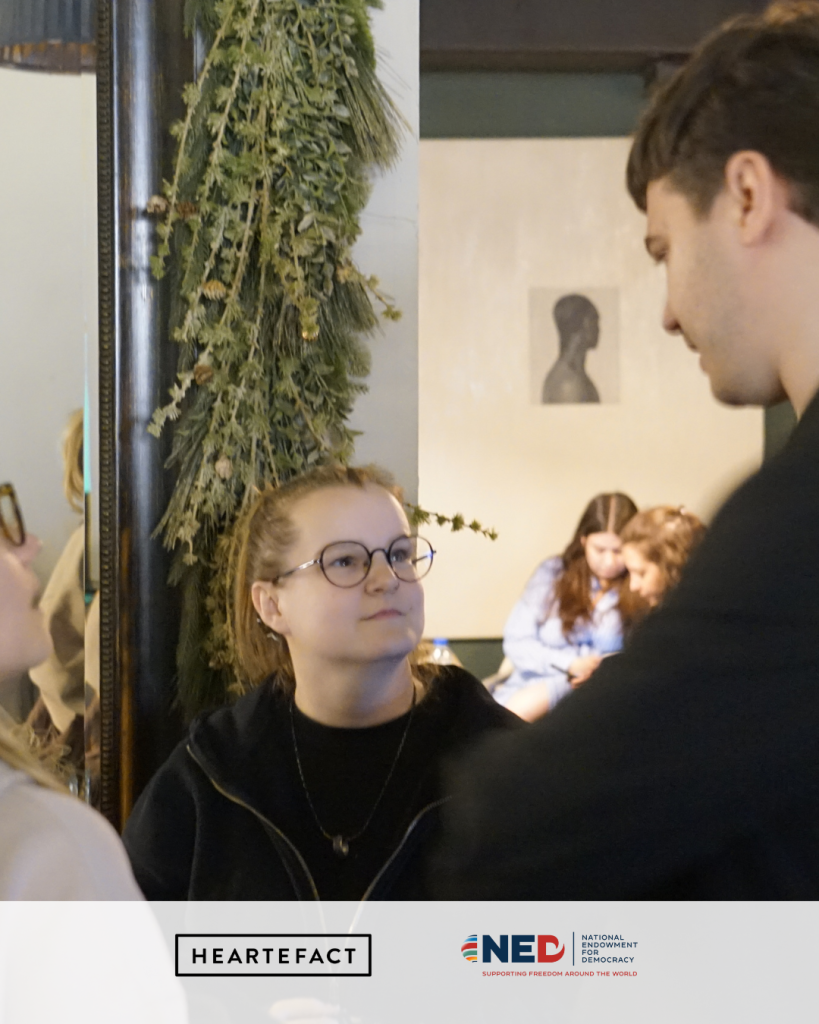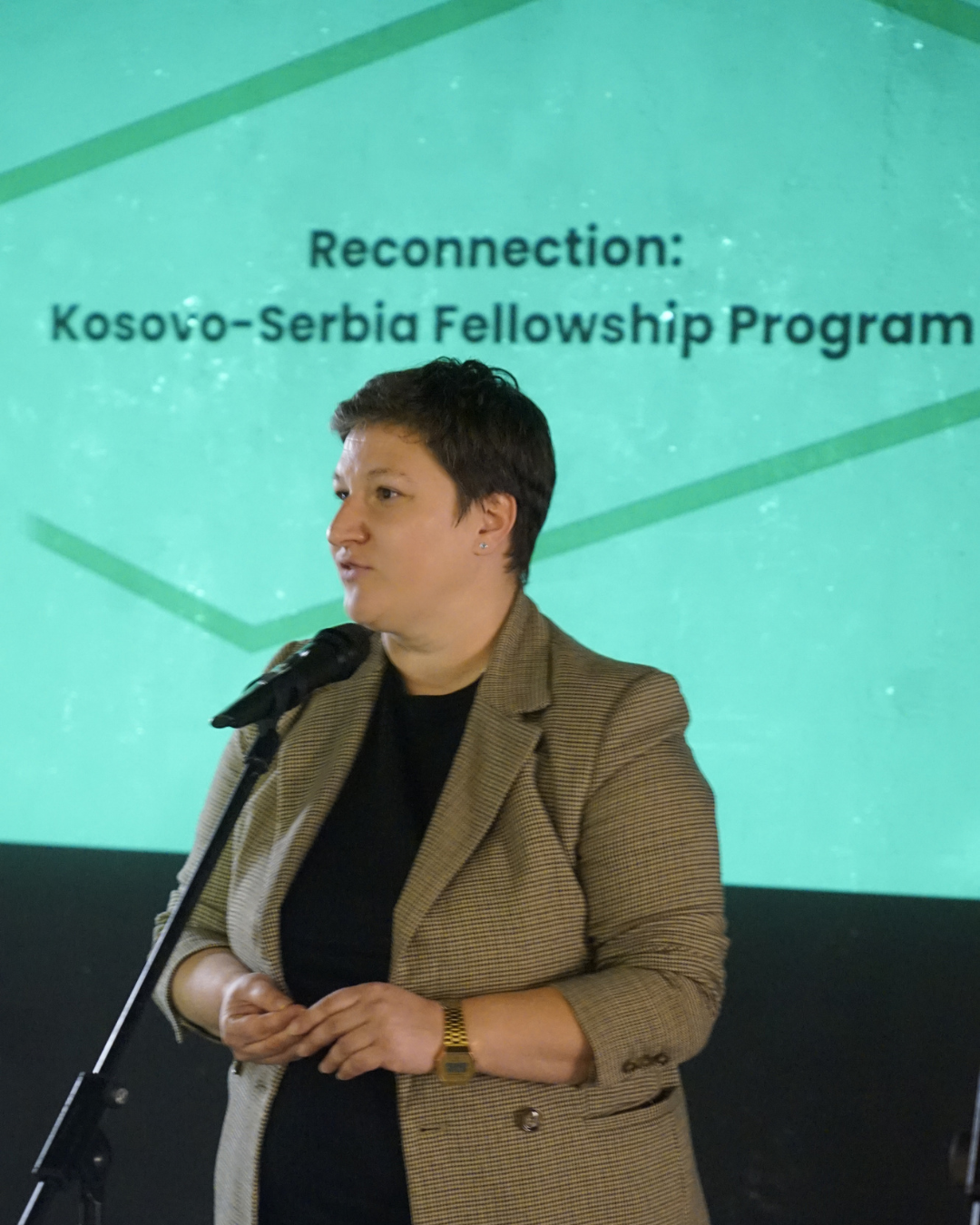
On April 1, the new generation of participants in the Kosovo–Serbia Fellowship Program within the broader Reconnection program gathered in Priština for a kick-off event. The meeting brought together alumni, partners, and friends of the program with the aim of reconnecting, exchanging experiences, and jointly reflecting on the next steps toward building a more open and more connected region.
Since its founding, Hartefakt has developed this program as part of its broader work on connecting people from Serbia and Kosovo through art, activism, media, and research. Through a people-to-people approach, the program continuously creates space for dialogue and collaboration, despite the challenges that often shape relations between the two societies. This year’s gathering carried additional weight because it took place in Priština, where Hartefakt formally opened its office last year. Sareh Maliqi, director of Hartefakt Kosovo, and Aleksa Krstić, program coordinator at the Hartefakt Institute, opened the event, while Rajmonda Sylbije, program coordinator, closed the evening by sharing her experience and insights.
The central part of the evening took place at the gallery Hani i 2 Robertëve, where five new participants presented the projects they will develop throughout 2026. Their work addresses topics such as women’s rights, transitional justice, media narratives, social movements, and mental health. Through different approaches and disciplines, these projects explore how personal and collective stories can help build understanding, empathy, and social change.
Beyond the presentations, the event opened space for a broader conversation about the meaning of cooperation between Kosovo and Serbia and about how dialogue already grows through people and their relationships. The discussion emphasized that such a community already exists and continues to develop through exchange, encounters, and shared work, even in a context where divisions often dominate the public narrative. Bringing together more than 40 participants, collaborators, and professionals from different fields highlighted the need for spaces where people do not ignore the past, but learn from it, while focusing attention on what they can still build together: greater mobility, knowledge exchange, and everyday forms of cooperation across the region.
The annual Reconnection gathering in Priština once again confirmed that sustainable relationships do not emerge on their own. They grow through continuous work, exchange, and a willingness to listen to different perspectives.
The program was implemented within the project Fostering Cross-border Dialogue and Civic Engagement, carried out by Heartefact with the support of the National Endowment for Democracy (NED).