The Rebirth of Forbidden Histories (RoFH) project began with a launching programme held in Belgrade, Serbia, from 1 to 4 September 2026, comprising a public event, accompanying activities and an internal partner meeting. The project brings together seven organisations from six Western Balkan countries to uncover overlooked queer histories of the 20th century through research, a digital archive and public artistic tours. By addressing the exclusion of LGBTIQ+ experiences from mainstream accounts of the past, it will support recognition of these communities and a more inclusive understanding of the region’s shared history.
Across the Western Balkans, remembrance of the Second World War, authoritarianism and the conflicts of the 1990s remains fragmented and frequently shaped by ethnically exclusive narratives. RoFH explores histories of queer persecution under fascist, Nazi and other authoritarian regimes, including the imprisonment and deaths of gay men in Nazi concentration camps, and their marginalisation in post-war memory. It also addresses LGBTIQ+ experiences during the conflicts of the 1990s, including their contributions to anti-war resistance, feminist organising and solidarity across national and ethnic divisions.
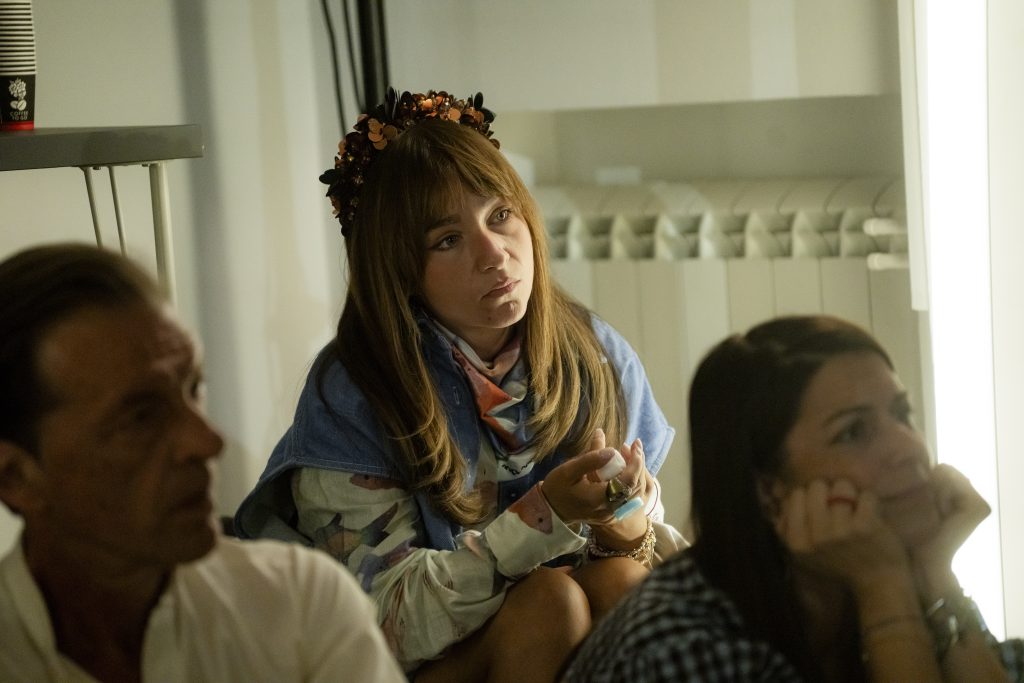
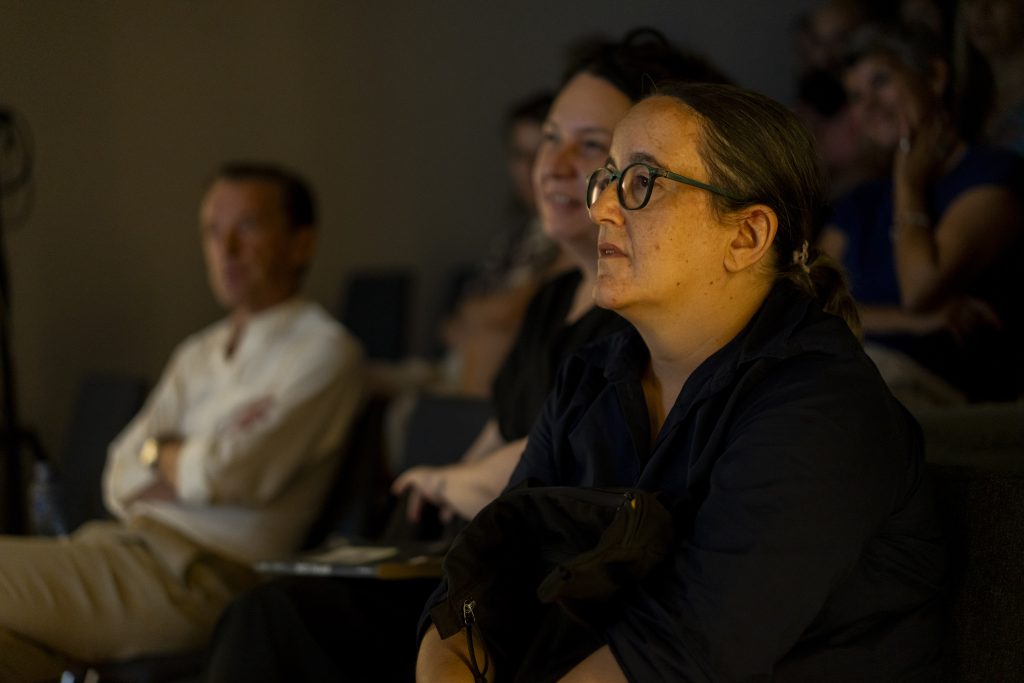
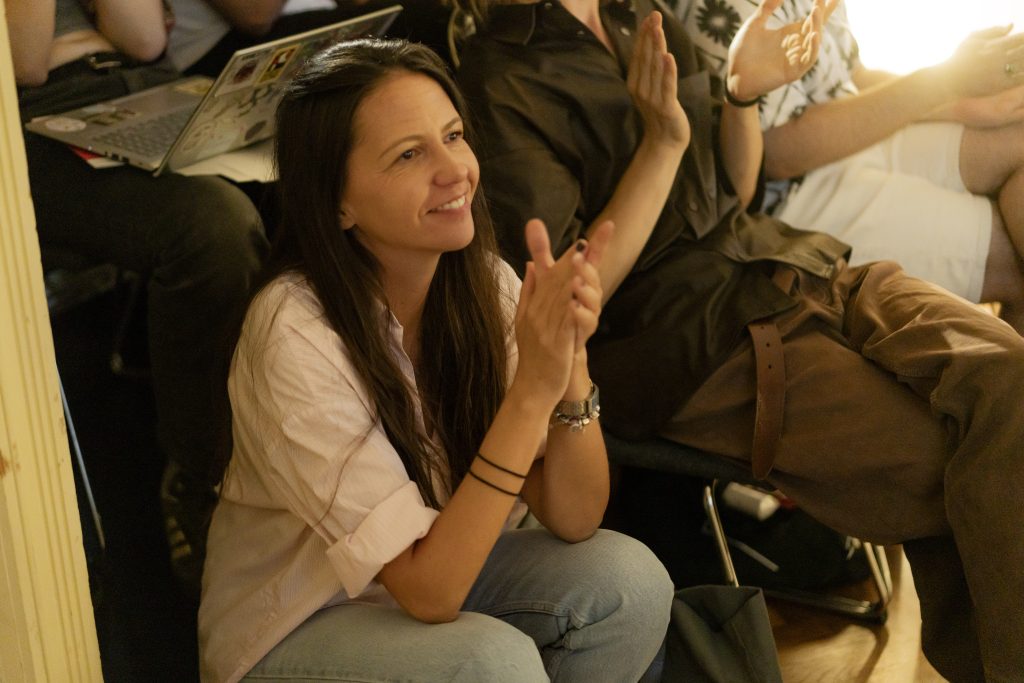
The public event connected artists, researchers, activists, educators and cultural workers. The programme introduced the project’s objectives, methodology and planned activities, followed by discussions on memory, contested histories and public narratives. A participatory session invited participants to share perspectives on underrepresented histories and approaches to remembrance, generating input for subsequent activities. Regional queer artists presented works and projects in progress, creating opportunities for exchange and collaboration. Participants also attended Poša at the Little Theatre “Duško Radović” during Belgrade Pride Week. The performance explores intersecting trans and Roma identities in the Balkans, reflecting the project’s focus on marginalised experiences. The programme concluded with a joint reflection and an introduction to opportunities for further engagement.
The public event brought together 115 participants: 64 women, 48 men and 3 non-binary people, from Serbia (94), Kosovo (3), Croatia (3), Bosnia and Herzegovina (8), North Macedonia (4) and Montenegro (3).
The internal partner meeting gathered 20 partner representatives to discuss methodology, responsibilities, coordination, financial procedures and next steps, and established the Interdisciplinary Memory Council.
Led by Heartefact, the partnership includes Group COME OUT, Youth Initiative for Human Rights Croatia, Juventas, Kontakt, Coalition MARGINS and Youth Initiative for Human Rights Kosovo.
Funded by the European Union. Views and opinions expressed are however those of the author(s) only and do not necessarily reflect those of the European Union or the European Education and Culture Executive Agency (EACEA). Neither the European Union nor the granting authority can be held responsible for them.