

A community theatre documentary on civic protest in Belgrade
A Success Story from the Culture for Democracy Programme
For a hundred years, Belgrade and Serbia have not stayed silent. From the interwar period to the present, injustice has rarely passed without a response from at least one part of society, antifascist, anti-war, anti-corruption, and pro-democracy movements that formed, dissolved, and regrouped, each generation convinced it was the first to rise. Yet resistance here has always been a kind of tradition: unwritten, absent from any official curriculum, and still somehow passed from one generation to the next.
Legacy of Resistance is a community theatre piece that turns this inheritance into a living archive. It has no authors in the classical sense, it was assembled from personal memories and testimonies, expert lectures, and literature and no audience in the classical sense, because it is performed by everyone together. Created by Reflektor teatar in co-production with Centar E8 and directed by Milena Bogavac, the work brought young artists and activists into dialogue with older generations, gathering first-hand recollections of protests, uprisings, and civic mobilisations across a century of the country’s history.
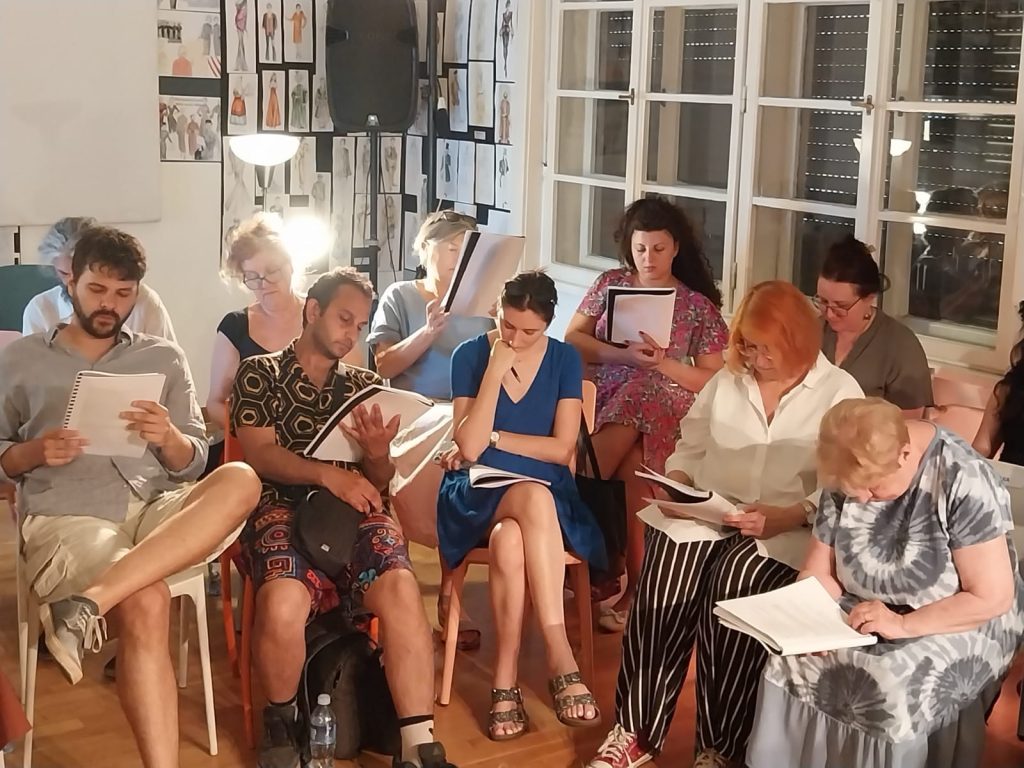
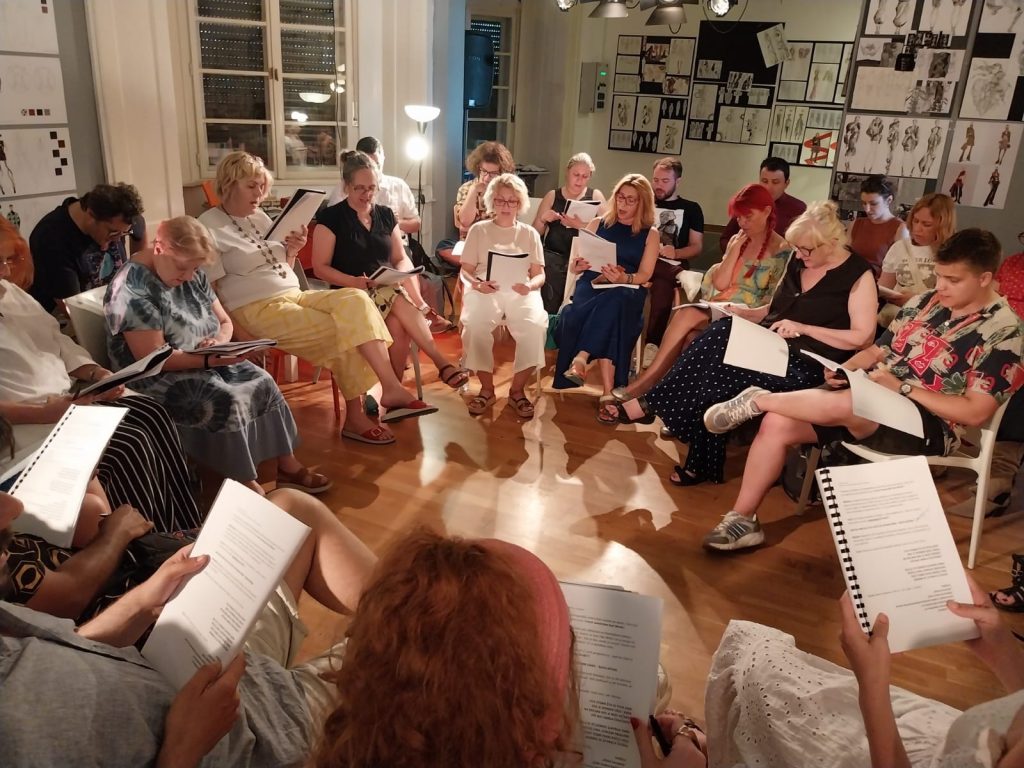
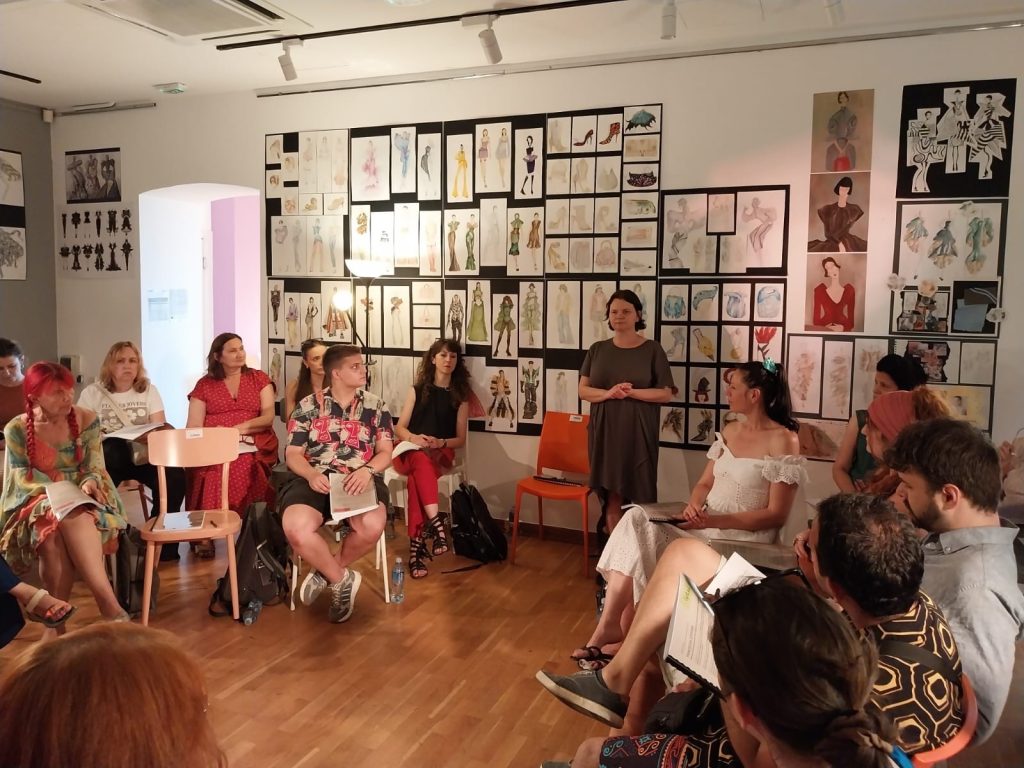
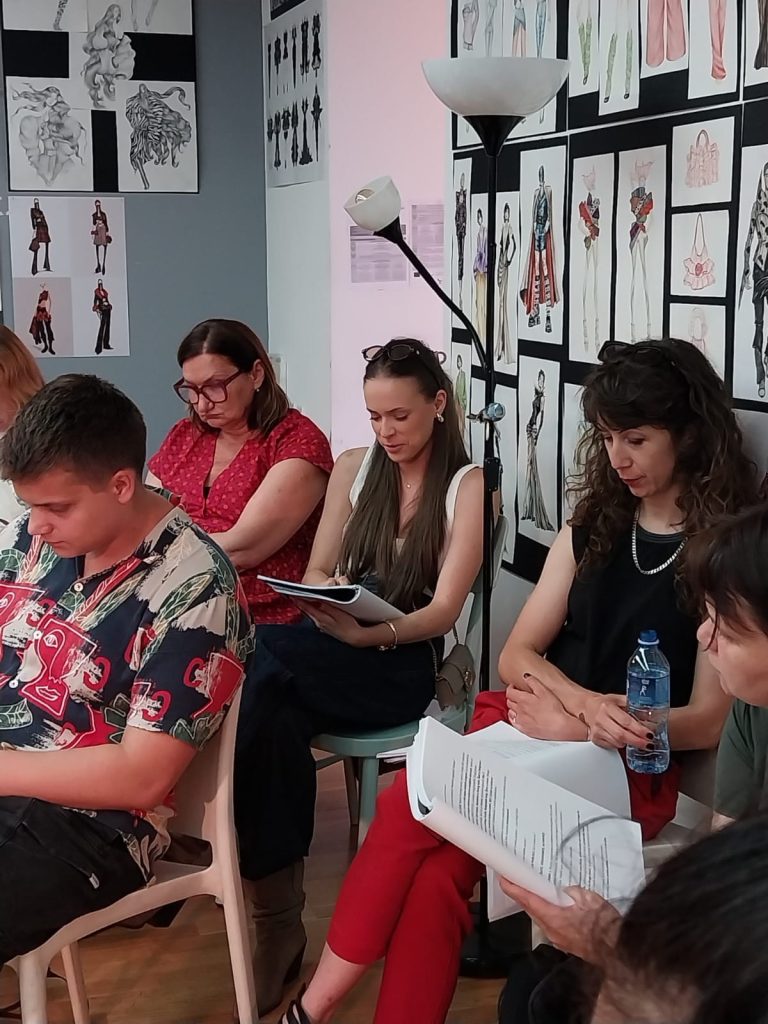
On 29 June, Legacy of Resistance was performed at the Parobrod Cultural Centre in Belgrade, a deliberately quiet piece, in which audience and performers read the text together and share their own experiences. “We used various tools and techniques from documentary theatre, but in a different, more democratic form, participatory theatre, where we read the play together with the audience, a play we also wrote together with people from our own society,” says director Milena Bogavac. “Tradition of Resistance deals with a historical phenomenon and a historical period that shaped us to a great extent, both as a community and as individuals. It was important to us to have a form around which we could take some courage and gather. We tried to make a performance that is quiet, one in which we share our experiences.”
Rather than staging resistance as spectacle, the piece asks who the “small people” behind the “big protests” really are, and how ordinary participation has shaped both individuals and society. It insists, too, on decentralisation, treating Belgrade not as a centre but as a shared civic space belonging to everyone whose history has passed through it. Legacy of Resistance is, by design, unfinished, a work in progress that changes with every performance, as each group of participants leaves its inheritance to the next. Like the resistance it documents, it cannot be completed, only continued.
Legacy of Resistance is supported through the Culture for Democracy programme implemented by Heartefact, and financed by the Swiss Government.
Photos: Marina Milosavljević