The first segment of the Queer Art Academy program took place from April 14 to 19, 2026, in
Belgrade, at Hartefakt House, marking the beginning of a multi-month process. This initial gathering set the tone for the program’s first phase, which continues in the coming months through mentorship, online sessions, project development, and regional networking among
artists.
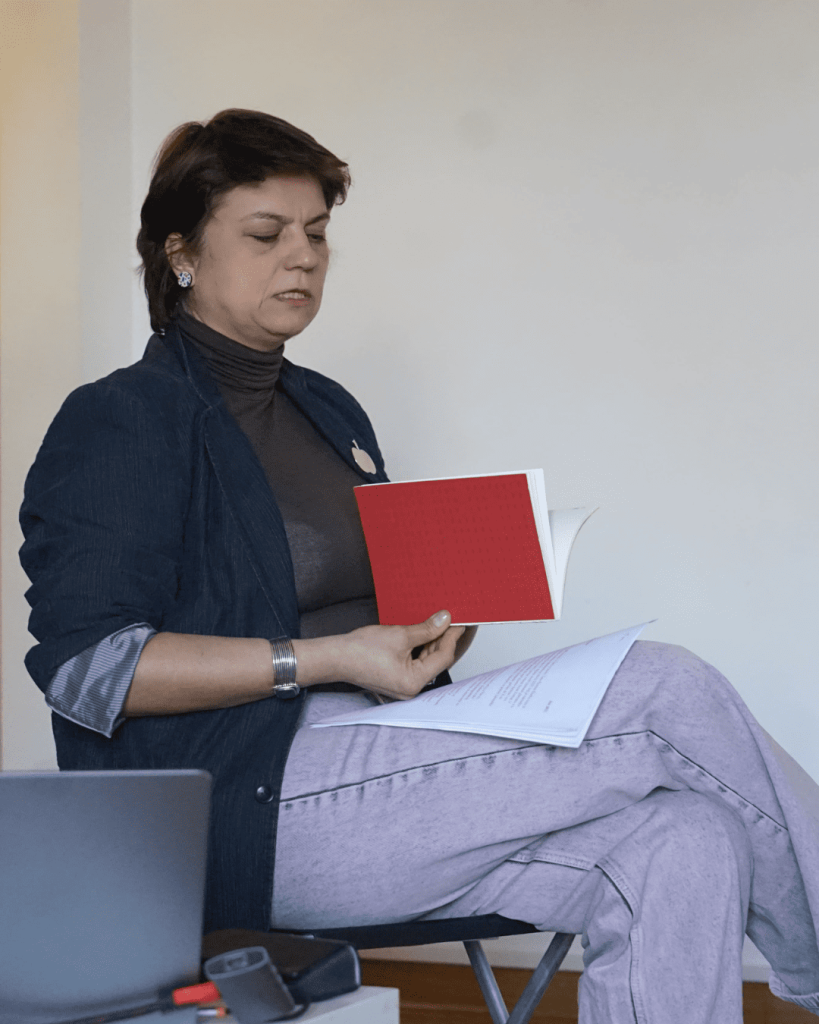
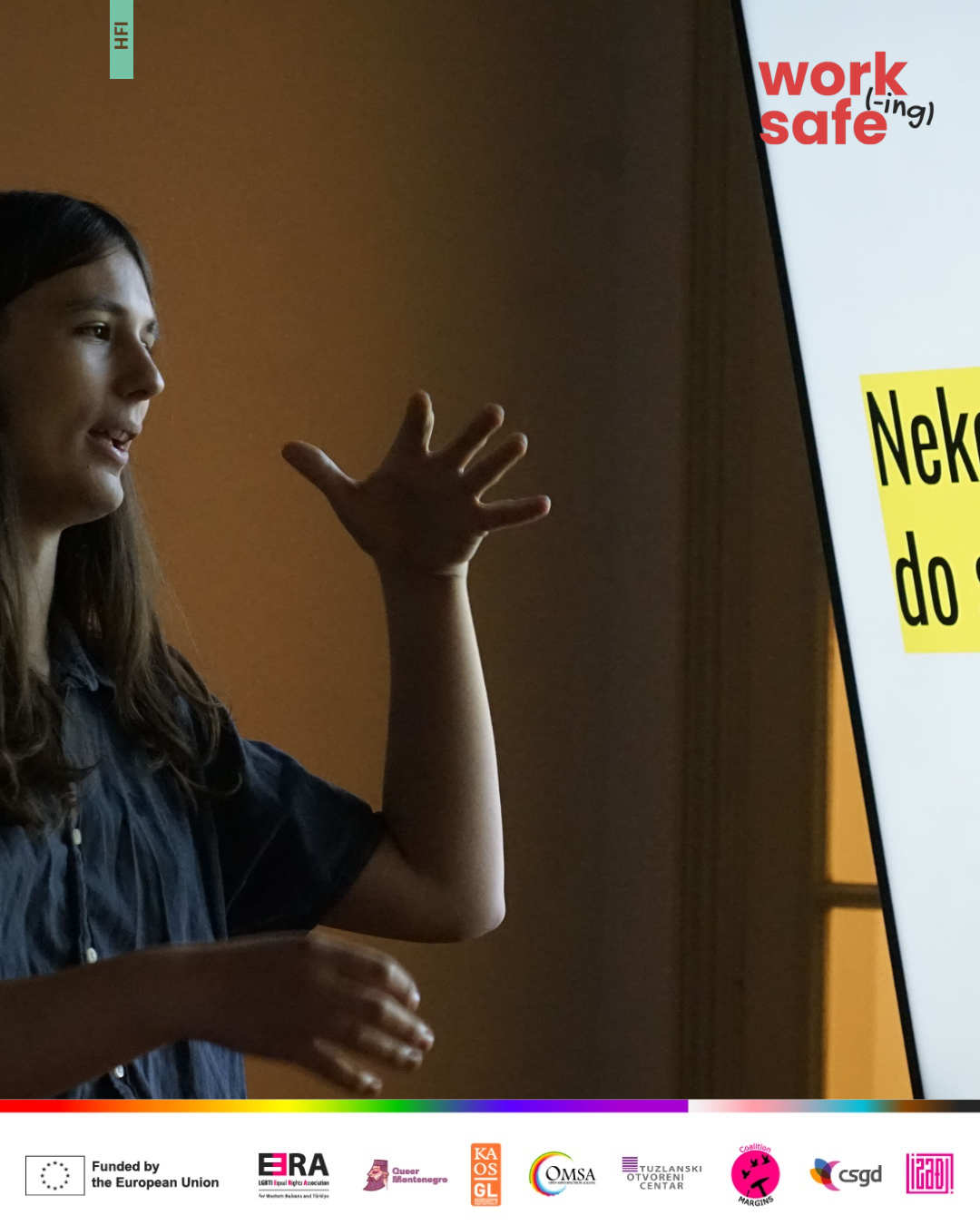
During the five-day residential week in Belgrade, participants developed their own artistic projects through workshops, lectures, and mentorship. Alongside the work at Hartefakt House, the program included a theatre visit, a guided city tour, a panel discussion with artists, and presentations of platforms and festivals such as Queer Zagreb and Mladi levi. Participants also took part in sessions focused on pitching and public speaking, with an emphasis on clear and confident presentation of their work. The program centered on articulating ideas, shaping artistic concepts, and presenting them professionally within a contemporary cultural context.
Mentors leading the program included Zorana Đaković Minniti, assistant to the program director at the Belgrade Cultural Centre; Jelena Milašinović, PR manager of the Belgrade Philharmonic and member of the Hartefakt Board; Mojca Jug, co-programmer of Mladi Levi; Zvonimir Dobrović, artistic director of Queer Zagreb and Perforations; and Stevan Marić, theatre director. The program also featured conversations with the poet Radmila Petrović, the actress Eva Voštinić, an actress, and the theatre director Patrik Lazić.
Ten young artists from Bosnia and Herzegovina, Serbia, and North Macedonia formed the first cohort, bringing together diverse practices across performance, theatre, visual arts, and dramaturgy. Their collaboration focused not only on individual development, but also on exchanging experiences and building a support network that extends beyond national and institutional boundaries. The program responds to the long-standing marginalization of LGBTIQ artists in the Western Balkans, who often work without stable support and under precarious conditions-factors that contribute to the fragmentation and limited visibility of the queer arts scene.
This first segment marks the starting point of a broader program that continues through online mentorship and workshops in the months ahead, offering ongoing professional support and real- time project development. The final phase is scheduled for September, when participants will present works in progress at a regional showcase event in front of relevant cultural institutions and key stakeholders.
In this way, the Queer Art Academy operates not as a one-off event, but as a long-term framework for artistic development, professional empowerment, and regional networking among queer artists-with its Belgrade segment laying the foundation for everything that follows.
Funded by the European Union.
The project Queer Art Academy – Building Safe Artistic Futures in the Western Balkans, implemented by Heartefact, is supported through the programme Working Safe: Socio-economic Inclusion of the LGBTQI+ Community in the Western Balkans and Türkiye, implemented by ERA – LGBTI Equal Rights Association for the Western Balkans and Türkiye, in partnership with Queer Montenegro, Tuzla Open Center (Bosnia and Herzegovina), Open Mind Spectrum Albania, Center for Social Group Development (Kosovo), Coalition Margins (North Macedonia), Izađi (Serbia), and Kaos GL (Türkiye). This project is funded by the European Union.
This material was produced with the assistance of ERA and the European Union. Its contents are the sole responsibility of Heartefact as the implementing organisation and do not necessarily reflect the views of ERA or the European Union.