Text: Paula Vogel
Director: Tara Manić
Translation: Ivana Đurić Paunović
Text adaptation: Vuk Bošković
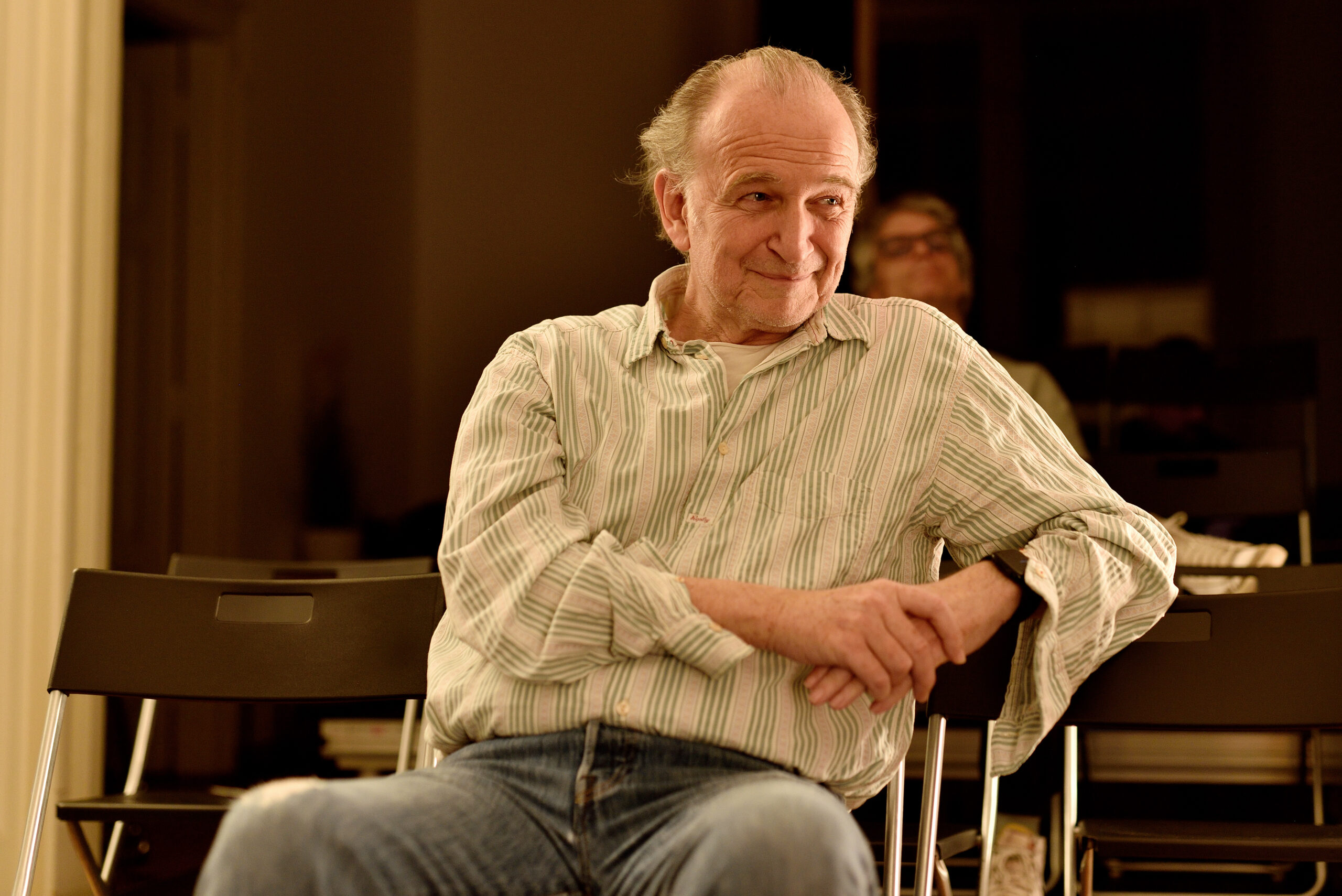
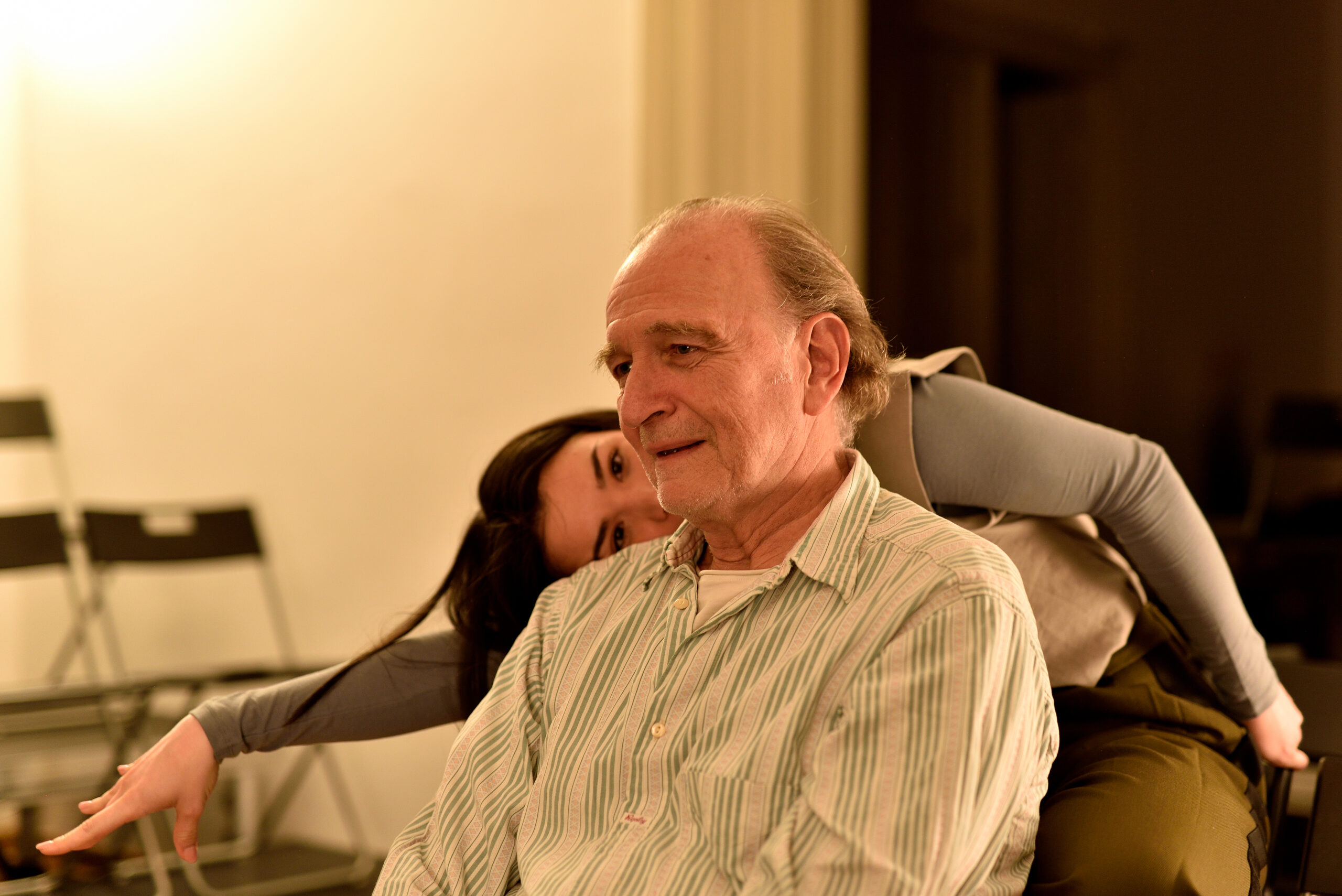
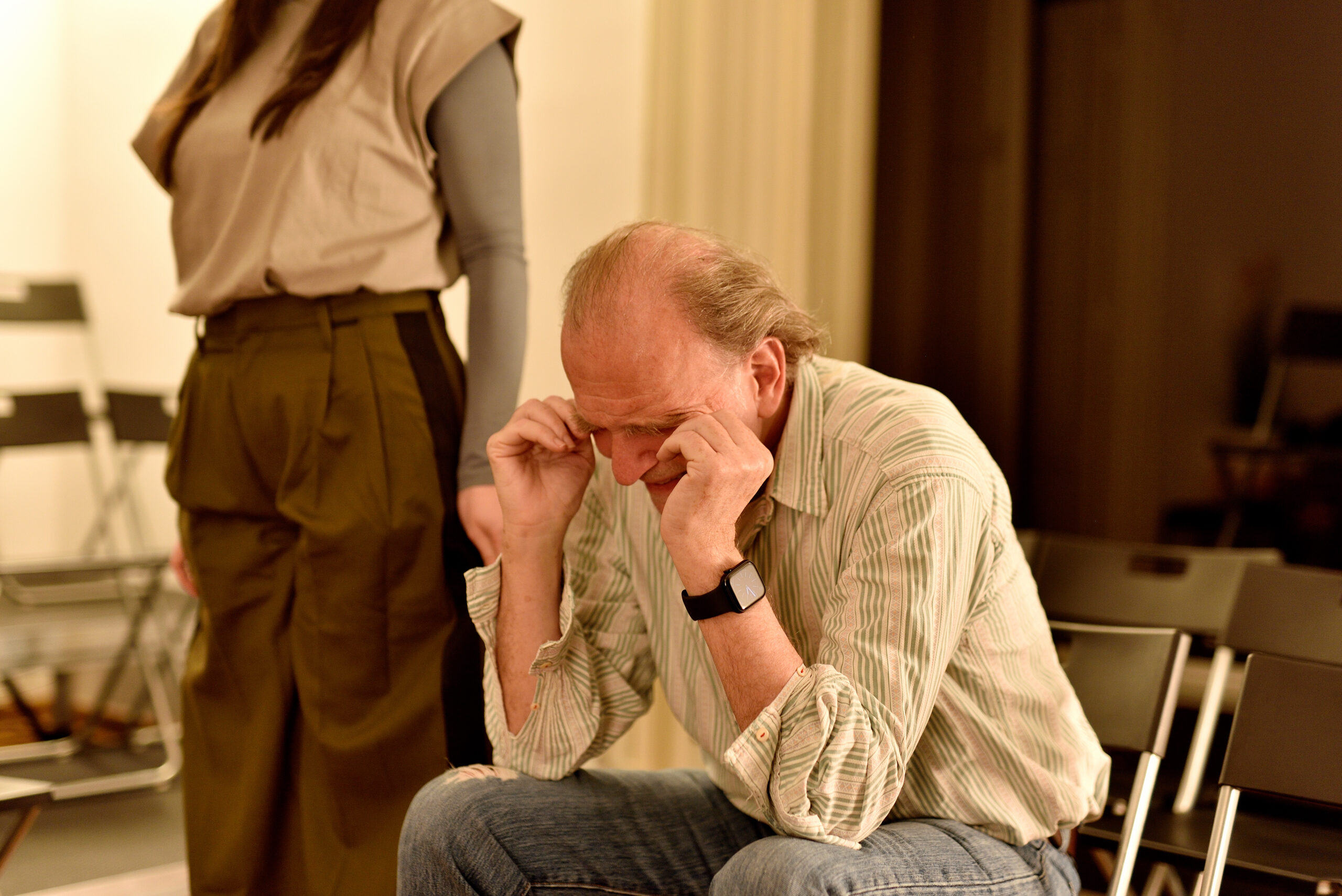
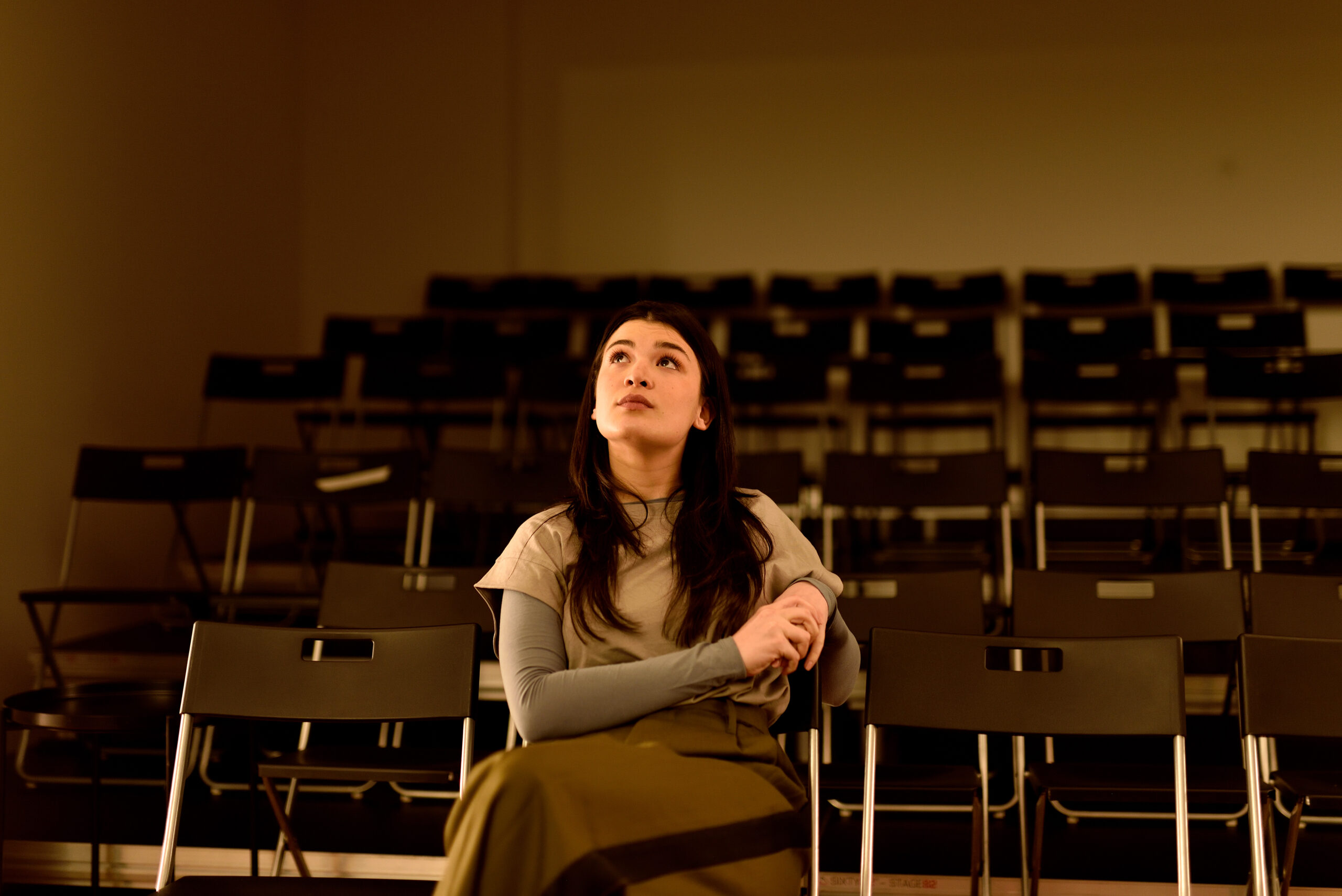
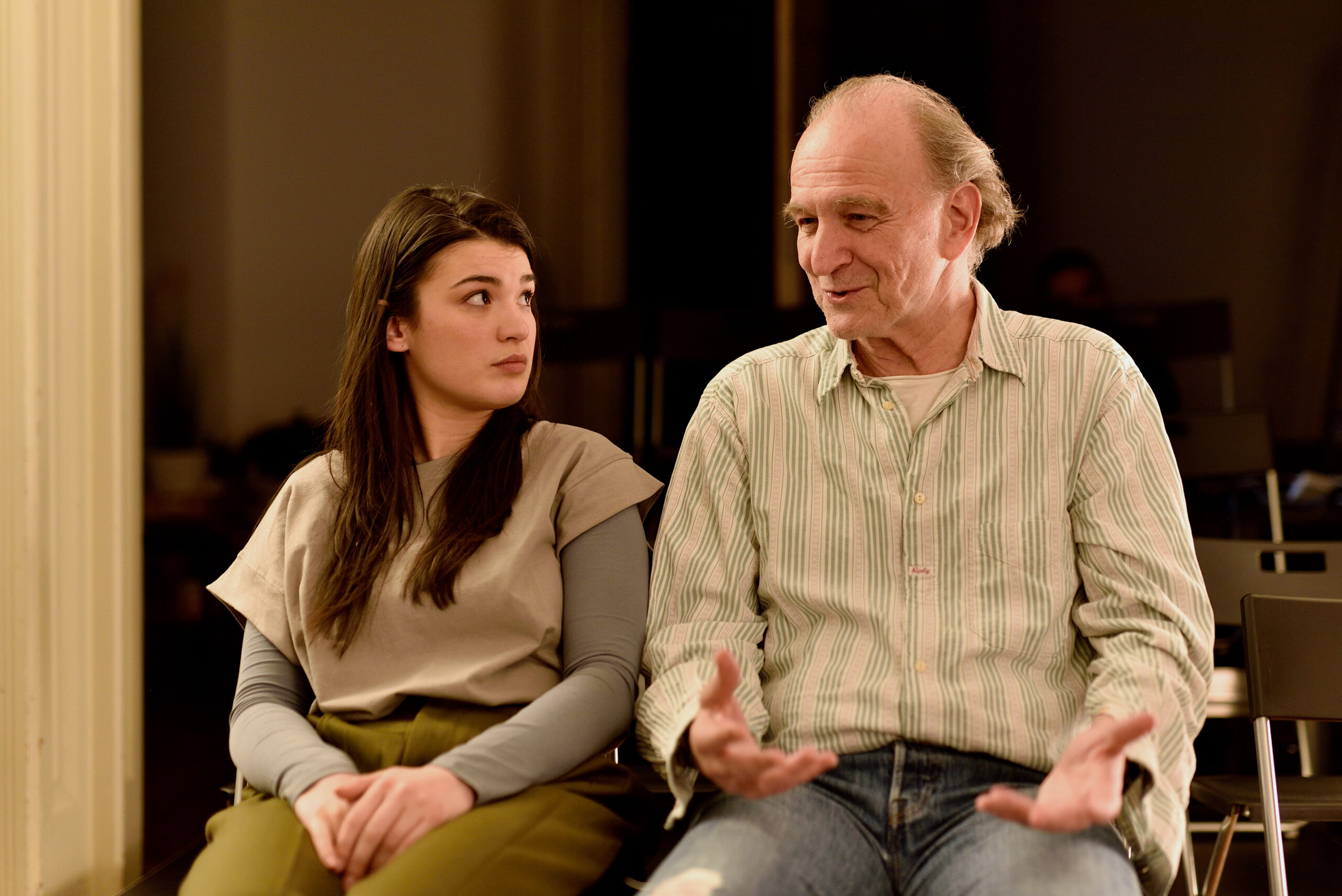
Starring: Svetozar Cvetković and Marta Bogosavljević
Scenography / Costume: Zorana Petrov
Music: Vladimir Pejković
Light design: Nemanja Calić and Zorana Petrov
Public Relations: Slavica Pešić
Photo and video production: Marko Stojanović
Poster design: Marko Stojanović
Technical associates: Nemanja Calić, Bojan Durutović
Executive production: Selena Pleskonjić and Aleksandra Lozanović
Heartefact Production: March 2024.
Premiere: 17th March 2024, Heartefact House, Bulevar Despota Stefana 7
DIRECTOR’S NOTE
How I Learned to Drive by Paula Vogel is a text many describe as “Lolita” written from a female perspective. It follows the story of an adult Li’l Bit as she reflects on her childhood. In working on this play within the intimate and chamber-like setting of Heartefact House, alongside actress Marta Bogosavljević, actor Svetozar Cvetković, and the entire creative team, we sought to craft a tender theatrical language for this complex, profound, and delicate text. It makes no attempt to compete with the harsh realities of our everyday lives—realities so much grimmer, omnipresent, and seemingly unstoppable. Through this play, we sought to take a step back, examining a problem most who encounter this text have faced in some form during their lives. The relationship between the two characters, Li’l Bit and her uncle, is fraught with ambivalence: love, tenderness, curiosity, teaching, trust, the formation of authority, mistakes, and, consequently, boundary violations, grooming, and harm leading to self-destruction. One of the text’s greatest values is the author’s empathy for both characters, which opens up a vital, provocative discussion about the causes—not just the consequences—of such a relationship. This is a play about forgiveness, even when forgiving seems impossible. I hope this performance will awaken audiences and make them at least a little braver. In a society where we often shame and silence people, that alone would be a significant achievement.
Tara Manić, director
A NOTE FROM THE DRAMATURG
Terrible things happen every day, and we are shocked when we hear or read about them. Then, we move on with our lives. That’s normal and natural. But the horrors we read about and argue over in comment sections often go on for years—sometimes decades. Someone lives through them, day by day. What makes us ask, “How is this possible?” is clear to them from every angle. Because to them, it’s not “horror”; it’s their life. This play is about that. Without sensationalism, without posing “big questions,” without offering simple solutions to enormous problems. It was written a quarter of a century ago. Some things have changed since then; some haven’t. But the strength of this text isn’t in its relevance to “horrors” but in something deeper, more complex, yet simpler. It’s about a woman reflecting on her life—a life scarred by trauma but also filled with love and lessons in driving. And therein lies the problem: nothing in this story is simple. If “horrors” were problems with easy solutions, they’d already be solved. “Dismantle the patriarchy” sounds great but is only the first step. Support is crucial, but at the end of the day, we each fall asleep alone and wake up the same way. “How I Learned to Drive” was brought to life through the extraordinary dedication of two incredibly brave actors and an exceptionally talented director. For two months, these three delved into the darkest corners of human interactions to create a work that offers audiences the very essence of theater for millennia—catharsis. Catharsis about “horrors.” So we can move beyond asking, “How is this possible?”
Vuk Bošković, dramaturg
Critics
“With excellent acting, Svetozar Cvetković and Marta Bogosavljević embody, profoundly yet unobtrusively, the whole spectrum of questions from whether it is (im)possible to forgive, to whether behind everything a person hears or experiences – including the astonished question “how is that possible” – there is actually a more or less lengthy process of occurrence that led precisely to that, and how something that is “horrible” to someone is actually life to someone else, and so on…”
Tanja Nježić, Blic
“The original fragmented progression of the events in the play „How I Learned to Drive“ by Paula Vogel is further emphasized in Vuk Bošković’s adaptation through additional flashbacks, creating a polyperspective, Rashomon-like and enigmatic situation, in which the truth is reconstructed like a mosaic: an Uncle, over a long period of time, had sexually abused an underage niece. Such dramaturgical polyperspective is subtly and metaphorically materialized on stage. Young director Tara Manić positions the two actors to constantly move from place to place, occupying all sides of the four-sided audience arrangement that frames a very small performance space (for most of the performance, they remain seated). Through these shifts, she visually signifies the changes in perspective on this complex story“.
Ivan Medenica, Radar (Serbia)
“Despite the language barrier, Svetozar Cvetković and Marta Bogosavljević impress with their brilliant, magnificent performances. With small smiles, he is a charming monster, and with her torrent of words and numerous gestures, she is a beautiful, lively, freedom-seeking, naive teenager. Thanks to their magnificent performances, this ominous, raw play about abuse also becomes deeply moving.”
Ron Rijghard, nrc.nl (Netherlands)
“Her innocence and joy are tangibly depicted, as well as the trauma of experiencing his unwanted touch. The play unfolds in an apartment on Despot Stefan Boulevard, on the Heartefact stage, very close to the audience, who surround the performance space. This physical closeness significantly strengthens the impact on us. The actors change performance locations, marking shifts in time and perspectives of narration, and mingle with us, the audience, making us a kind of voyeurs or witnesses to this provocative story. Its greatest value lies in its psychological complexity, reflecting the ambiguity of their relationship—romantic and sincere on one side, necessary for both him and her to a certain extent, until the control of innocence weakens, creating space for violence.”
Ana Tasić, Politika (Serbia)
„Cvetković is a performer of considerable charisma, and he nails the character’s mix of charm, pathos and self-deception, simultaneously compelling and repellent, while Bogosavljević convincingly shifts from pre-teen mode to someone coming to terms with the fact that this formative relationship was abusive. The nature of the seating means you get to appreciate the performers’ every glance and sigh, not to mention the occasional glimmer of tears in Cvetković’s eyes. (…) Together they milk the text for all its icky undertones and and aside from the moment when Cvetković catches a strand of Bogosavljević’s hair between his fingers, the actors only touch once, hugging each other with such depth and tenderness that it feels intrusive to be watching it. I was sitting right behind them and the emotion in the air was so thick you could almost sink your fingers into it”.
Natasha Tripney, Café Europa
„I would point out that this production represents an incredibly nuanced and thought-out approach to issues of sexual violence and molestation of minors. Under the directorial leadership of Tara Manić and with the virtuous, full-fleshed acting of Marta Bogosavljević and Svetozar Cvetković, the performance paints empathetic portraits of a teenage girl and her uncle. (…) The show’s point of vividly presenting the emotional attachment between the two characters together with its positive moments is important as it presents the full complexity of a manipulative, violent and incestuous relationship”.
Borisav Matić, SeeStage (WB6)
„Using simple but effective means, director Tara Manić avoids excessive visualisation, choosing an approach that leaves much of the action to the audience’s imagination. This opens up space for interpretation and adds to the power of the experience—the lack of excessive directness allows the audience to fill in the blanks themselves, making the spectacle both more impactful and more terrifying”.
Ana Bateva, Kosovo Theater Reviews (Bulgaria)
„However, since this show is all about the violation of boundaries, Manić and the actors are careful to respect them, maintaining them, while still communicating the message. This staging of the show is very minimalistic and simple – it’s just two actors in their regular clothes, a couple of chairs, plus a little bit of music to set the tone – and a careful director’s eye, one that clearly cares about presenting this sensitive topic”.
Mina Milošević, See Stage (WB6)
“Svetozar Cvetković and the young actress Marta Bogosavljević delivered excellent performances in this extremely intimate, by no means easy work, which in many ways corresponds to the current moment. News all around us often brings precisely these, unfortunately disturbing, themes of various forms of abuse behind closed doors.”
Vanesa Begić, Glas Istre (Croatia)
Awards
- 9th Buca’s Days in Aleksandrovac 2024 – Award for the best acting performance of the festival (Grand prix of the festival) to Svetozar Cvetković for the role of Teča, Zlatno zrno for the best young actress to Marta Bogosavljević for the role of Malecka
- 16th International Festival of Actors in Banja Luka 2024 – Award for the best play of the festival, Award for the best actress of the festival to Marta Bogosavljević, Award for the best actor of the festival to Svetozar Cvetković
- 8th International Chamber Theater 55 Festival “Days of Jurislav Korenić” in Sarajevo 2024 – “Jurislav Korenić” Award for Best Director: Tara Manić, “Dragan Jovičić” Award for Best Actor: Svetozar Cvetković, “Zan Marolt” Award for Best Young Actress : Marta Bogosavljević, “Avazov zmaj” award for the best performance of the festival.
- 52. International festival of alternative and new theater INFANT in Novi Sad 2025 – Award for the best concept
Festivals/Guest performances
- 9th Buca’s Days in Aleksandrovac, June 2024
- 6. Sarajevo Fest, septembar 2024.
- International Actor Festival Zaplet 16 in Banja Luka, October 2024
- Kosovo Theater Showcase in Tirana, November 2024
- VIII Regional Theater Festival Jurislav Korenić Days in Sarajevo, November 2024
- Tirana Contemporary Theater Festival “Mediums” in Tirana, April 2025
- Off Europa: Art Attack in Leipzig, May 2025
- 52. International festival of alternative and new theater INFANT in Novi Sad, June 2025
- Heartefact’s Caravan: Niš, Požarevac, Bečej (novembar 2024), Kragujevac (January 2025), Užice, Vranje, Jagodina (February 2025), Bar, Kotor, Herceg Novi, Podgorica (May 2025)
- Noorderzon Festival of Performing Arts & Society in Groningen, Netherlands, August 2025
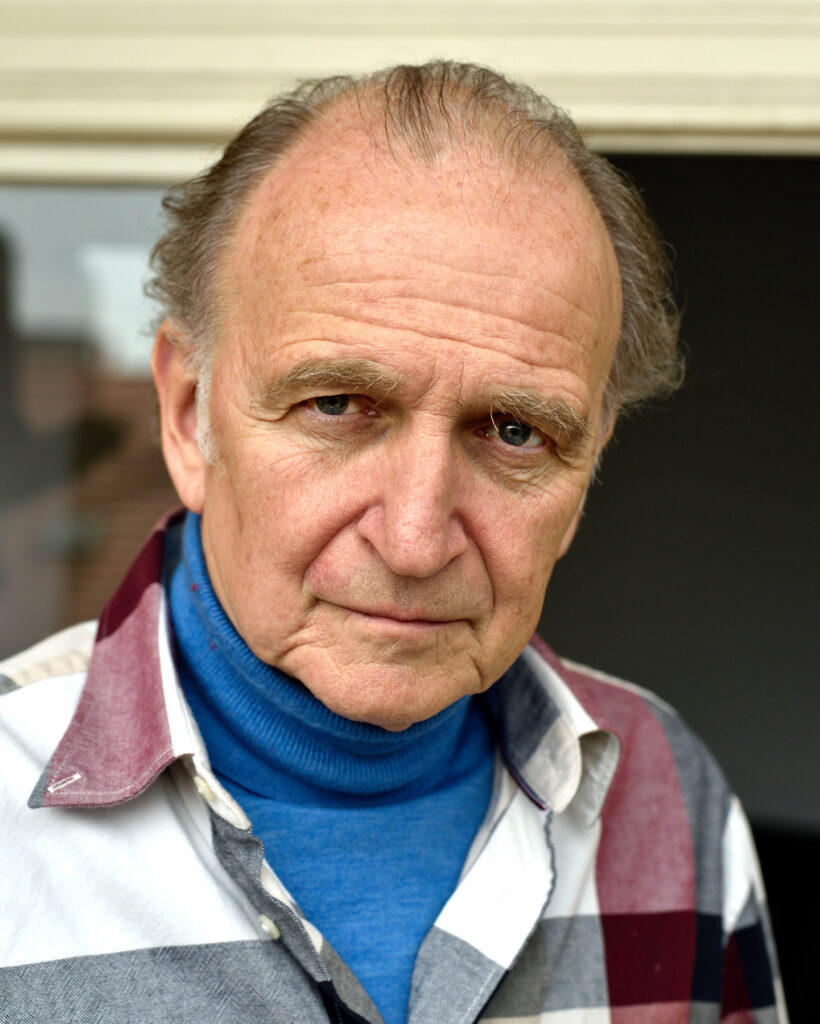
Svetozar Cvetković was born in Belgrade in 1958. He graduated in acting from the Faculty of Dramatic Arts in Belgrade in 1980, in the class of Prof. Ognjenka Milićević, and already a year later joined the ensemble of the Atelje 212 theater. In his rich acting career, he collaborated with many theater troupes and theaters in Zagreb, Novi Sad, Maribor, Split, Sombor, Sarajevo, Budva, Podgorica, and beyond. He has appeared in various theater productions not only in former Yugoslavia and Serbia but also in Canada, Austria, Switzerland, England, Slovenia, and Croatia. Over the past 45 years, he has been awarded for his acting work at all major festivals, including 3 Sterija Awards, the Miloš Žutić Award, and more. At the Atelje 212 theater, as well as on other stages in the country, he has played over 70 significant roles in modern theater repertoire with prominent directors of the domestic theater scene such as Dejan Mijač, Ljubomir Draškić, Jagoš Marković, Vida Ognjenović, Alisa Stojanović, Nikita Milivojević, Boris Liješević, Tomaž Pandur, Tomi Janežič, Paolo Mađeli, Ana Tomović, and others. He served as the artistic director of the Atelje 212 Theater for 12 years until the end of June 2009. During that time, Atelje produced 90 productions on the Big and Small stages of the theater, and connections with theaters in Southeast Europe were renewed, making large-scale exchanges of performances possible. He has appeared in over 100 feature films, TV series, and TV dramas, most of which were produced in former Yugoslavia and Serbia, while some were made abroad. Among his film awards, he received the Grand Prix for Best Actor at the Magdeburg Festival for Dušan Makavejev’s film “Gorilla Bathes at Noon” in 1994, as well as the Critic’s Choice Award for Best Actor in Houston for the film “You Go to My Head” in 2017. He is a member of the European Film Academy (EFA).
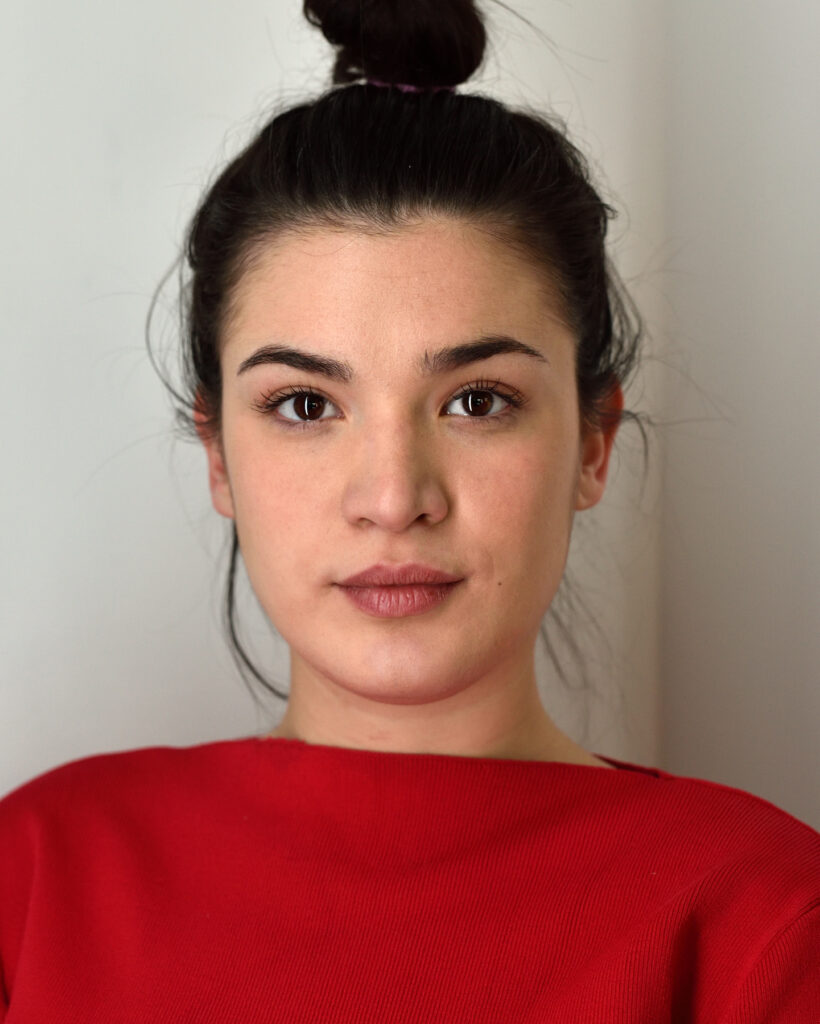
Marta Bogosavljević was born in 1999 in Jagodina, where she completed elementary school, high school, and elementary music school.
In 2018, she enrolled at the Faculty of Dramatic Arts, majoring in acting, in the class of Professor Srđan Karanović. So far, she has achieved notable roles in numerous theater, film, and TV productions of domestic origin. In theater, she has appeared in productions such as Snow White and the Seven Dwarfs – Boško Buha, Flashdance – Theater at Terazije, The Window – Belgrade Drama Theater, Women on the Verge of a Mental breakdown, and in films such as Fitness Jim directed by Ognjen Isailović, This Road Will Pass Here directed by Nina Ognjanović, Protection First directed by Pavle Vučković, and Sunday directed by Nemanja Ćeranić and Miloš Radunović. On TV screens in the last three years, Marta has been seen in popular series: Državni službenik (eng. State Official), Pad (eng. Fall), Južni Vetar (eng. South Wind), etc.

Tara Manić was born in 1994 in Belgrade. She graduated and obtained her master’s degree at the Department of Theatre and Radio Directing at the Faculty of Dramatic Arts in Belgrade, where she was awarded the title of Student of the Year and received the Dr. Hugo Klein Award. Currently, she is completing her doctoral artistic studies at the same faculty. To date, she has directed the following theater productions: Till Eulenspiegel – About Bullshitting (Ujvideki szinhaz), Eight Women (National Theatre Toša Jovanović in Zrenjanin), Emilia Galoti (National Theatre of Timok Region Zoran Radmilović), The Day There Was No Longer Me (Belgrade Drama Theatre), and Youth Without God (Montenegrin National Theatre in Podgorica). She has worked as an assistant director on productions by Jernej Lorenci, Aleksandar Popovski, and Ana Đorđević. Her work at the Faculty of Dramatic Arts began in 2017: first as a demonstrator, then as a professional associate, and now as an assistant professor in the main subject of Theatre Directing. In addition to her work in the theater, she has directed several radio dramas on Radio Belgrade 2 and is engaged as a director of drama workshops at the Ensemble of Folk Dances and Songs Kolo. Tara’s productions have been featured at numerous festivals in Serbia and abroad, winning numerous awards.
Broadway premiere produced in 2022 by the Manhattan Theatre Club
Lynne Meadow, Artistic Director, Barry Grove, Executive Producer, Daryl Roth and Cody Lassen in association with Vineyard Theatre on April 19, 2022
“HOW I LEARNED TO DRIVE” received its world premiere at The Vineyard Theatre, New York City