Project description: Contemporary dance has long occupied a marginalized position within the performing arts in the Balkans, receiving significantly less recognition and institutional support than other artistic disciplines. This marginalization is reflected in the limited interest shown by relevant public institutions and theatres, as well as in the absence of dance from mainstream cultural programming. In Serbia, working conditions for dance artists remain far from providing the possibility of earning a sustainable livelihood. Dancers are particularly affected by decades of perceiving dance as secondary to other performing arts, compounded by inadequate public funding and the near-complete absence of consistent institutional support. There is currently no podcast or media programme in the region dedicated to discussing these issues. The project Iz tela za telo (From Body to Body) emerged from the shared need of dancers and cultural workers to create a space where the realities of working in dance could be openly discussed from multiple perspectives.
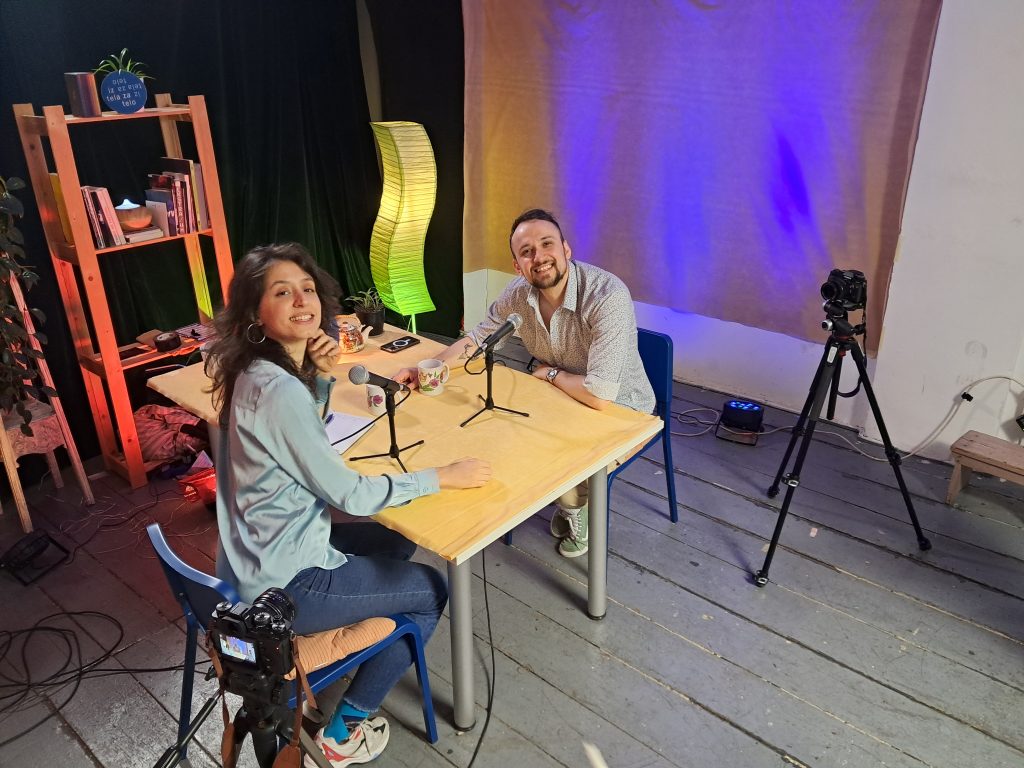
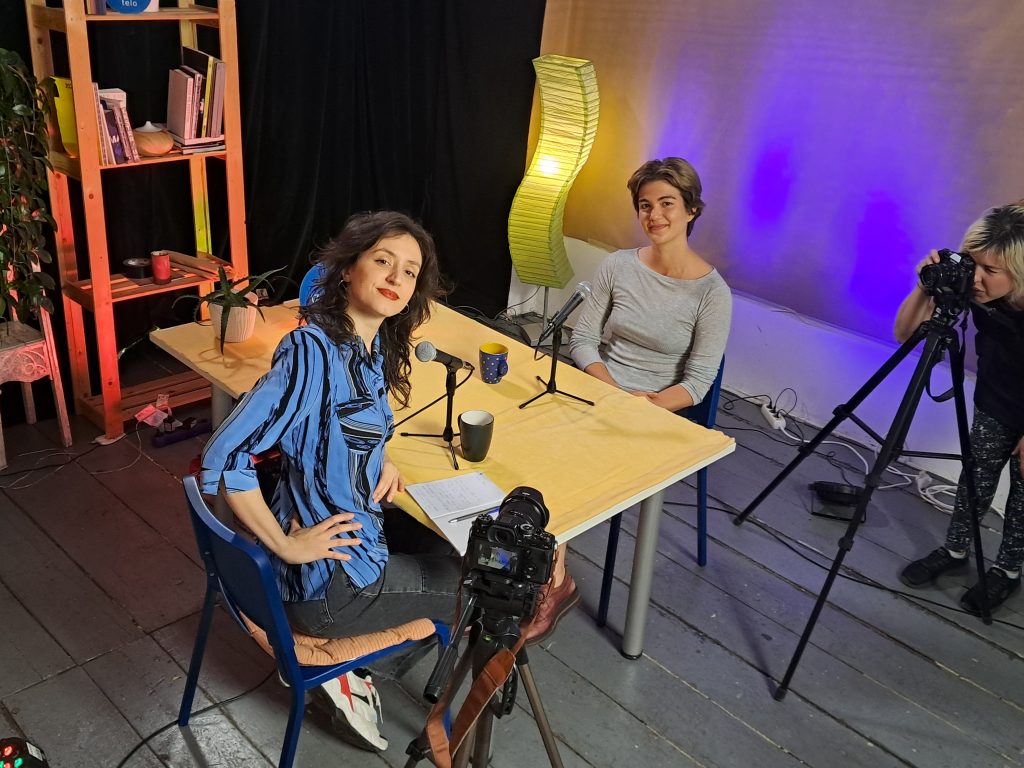
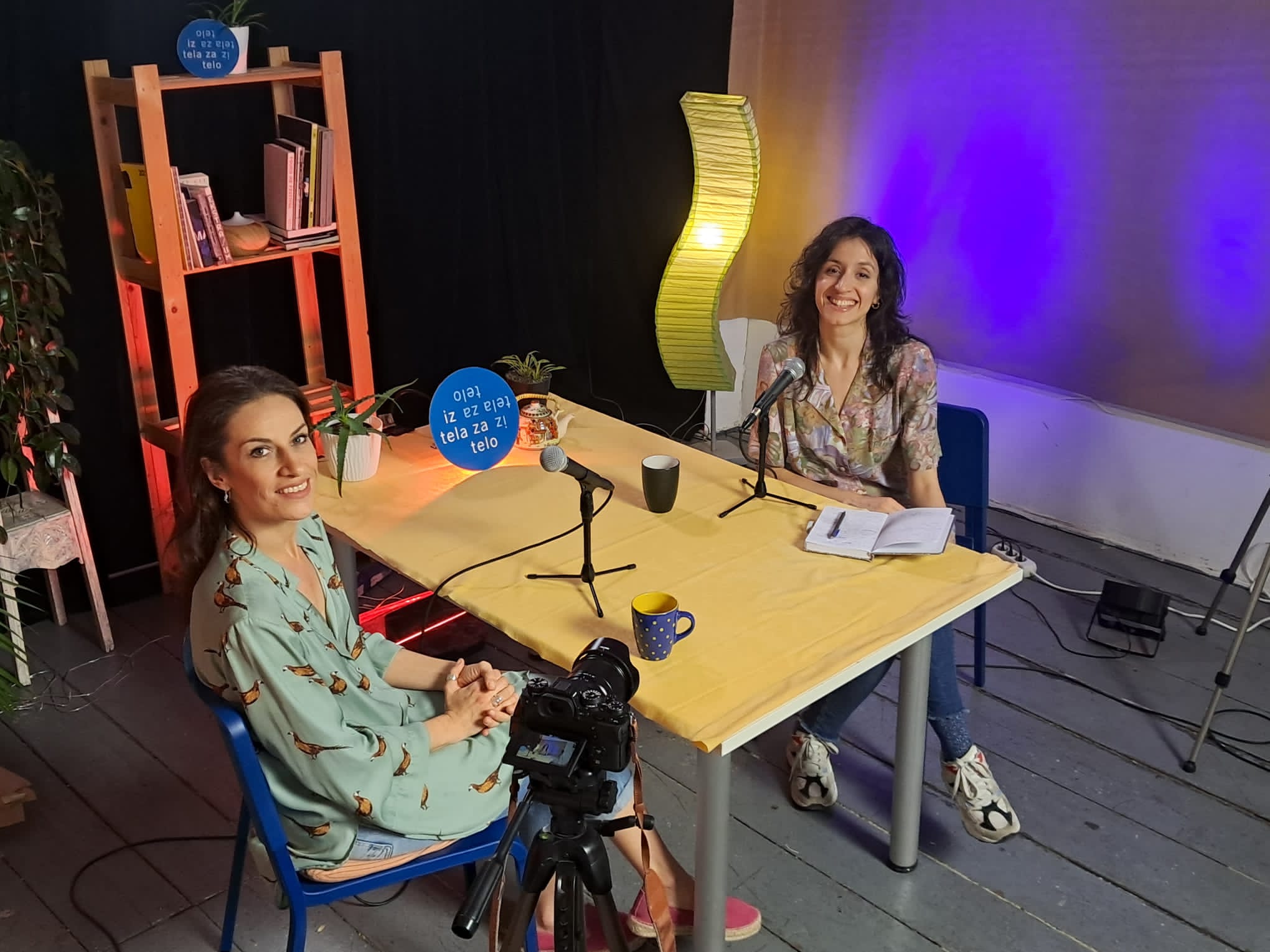
As part of the project, studio interviews for the second season of the From Body to Body series were recorded and published on YouTube and Spotify. The project was also presented during the Days of Smiljana Mandukić festival and as part of a panel discussion on dancers’ mental health. The second season consisted of seven episodes featuring ten guests representing diverse segments of Serbia’s contemporary dance scene, including Miloš Isailović, Vesna Pašćanović, Branko Mitrović, and Jelena Vujović. The project also included the documentary-format segment On the Road, which covered the month-long event Plestelin at Gallery U10: an authorial project by artist and cultural worker Miloš Janjić. During the event, the gallery was transformed into a dedicated space for contemporary dance, offering the local community a much-needed venue for artistic exchange and performance in response to the chronic shortage of dance spaces in Belgrade and across Serbia.
Through its activities, the project increased the visibility of the diversity of contemporary dance practices, bodies, identities, genders, and artistic experiences. It also opened important conversations about psychological support, healthcare, nutrition, and broader working conditions within Serbia’s dance community, contributing to greater awareness of the structural challenges facing dance professionals today.
Grant amount: 836 000,00 RSD