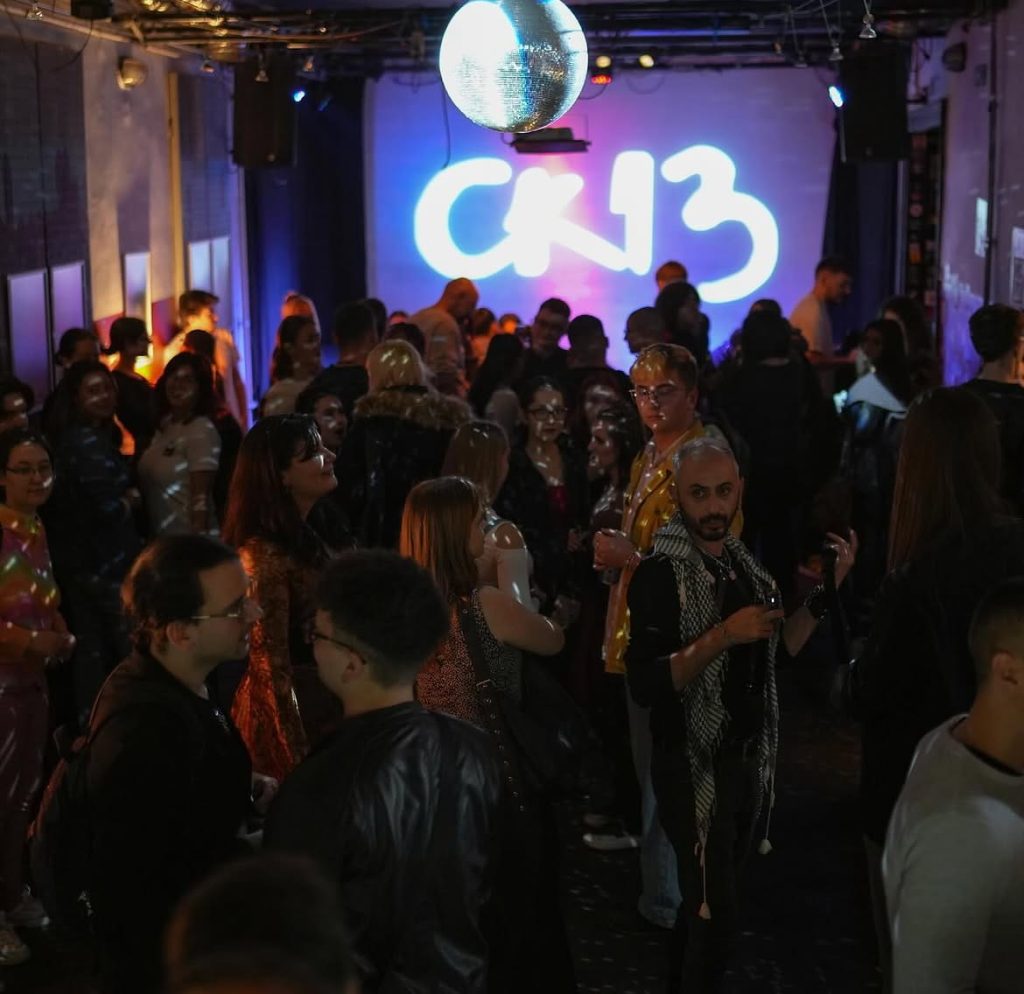
GlamFest created a space for natural cohesion between the LGBTI+ community and cisgender heterosexual women. The project brought drag performance and drag artists closer to the wider public, particularly people living in rural areas, by positioning this form of performance alongside choreodrama as a socially accepted performing arts practice. The festival was intentionally held in Novi Sad, the largest cultural hub of the alternative scene after Belgrade. One of the challenges within Novi Sad’s theatre system is that it is insufficiently used to foster positive social change. Even when socially engaged performance is used to promote minority issues and gender equality, as is the case with drag, it rarely reaches a diverse audience beyond young people and members of the LGBTI+ community.
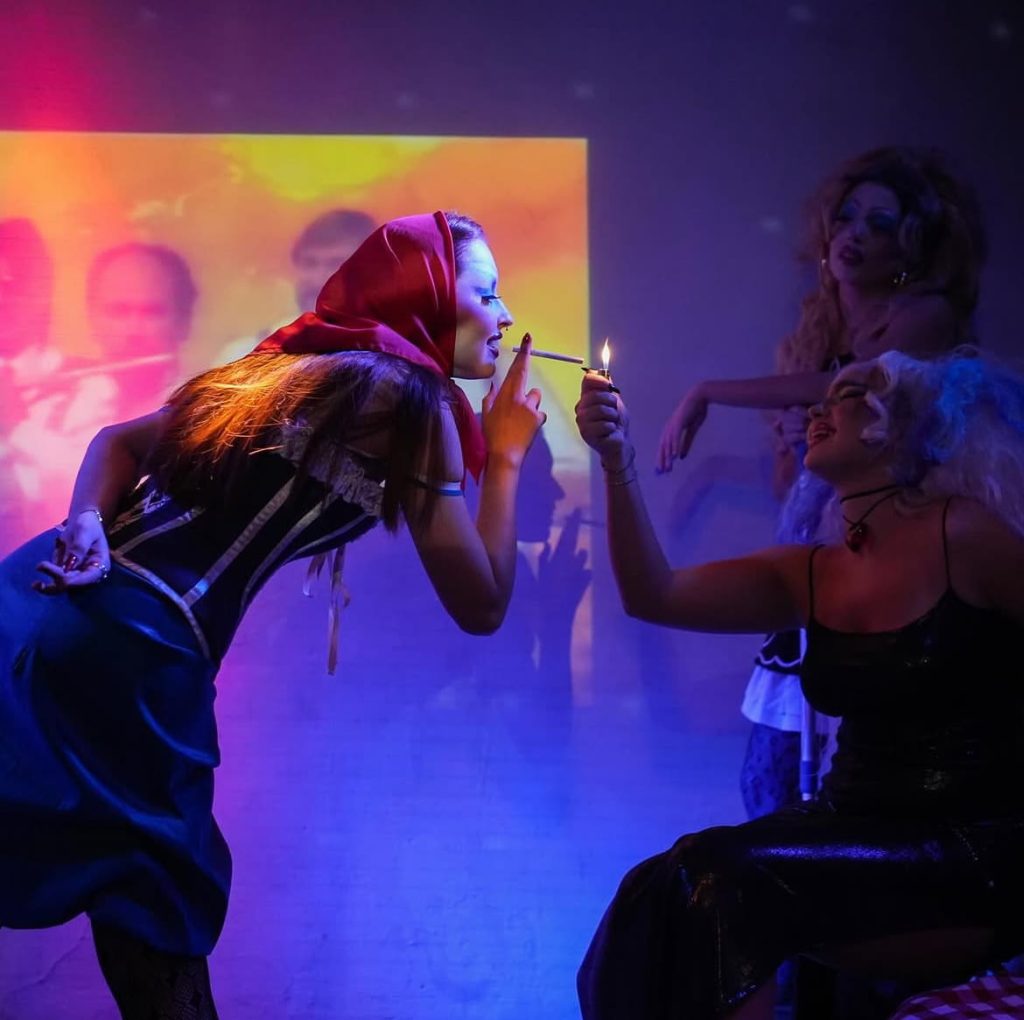
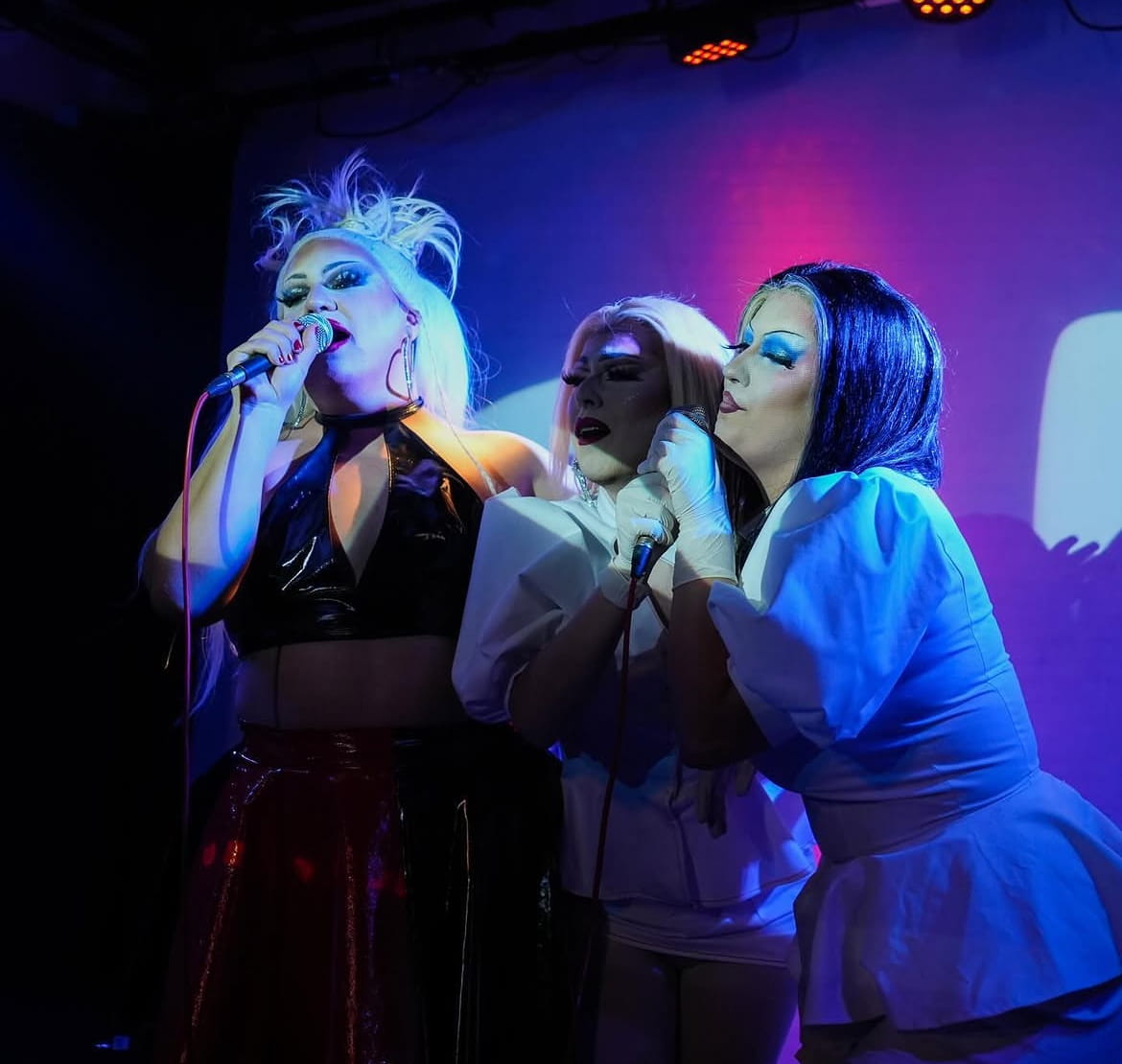
The festival’s central event was a drag choreodrama exploring a range of themes related to the experiences of the LGBTI+ community, gender roles, and perceptions of femininity. The performances featured artists of different gender identities, including trans, cis, and queer performers, ensuring an inclusive and diverse representation.
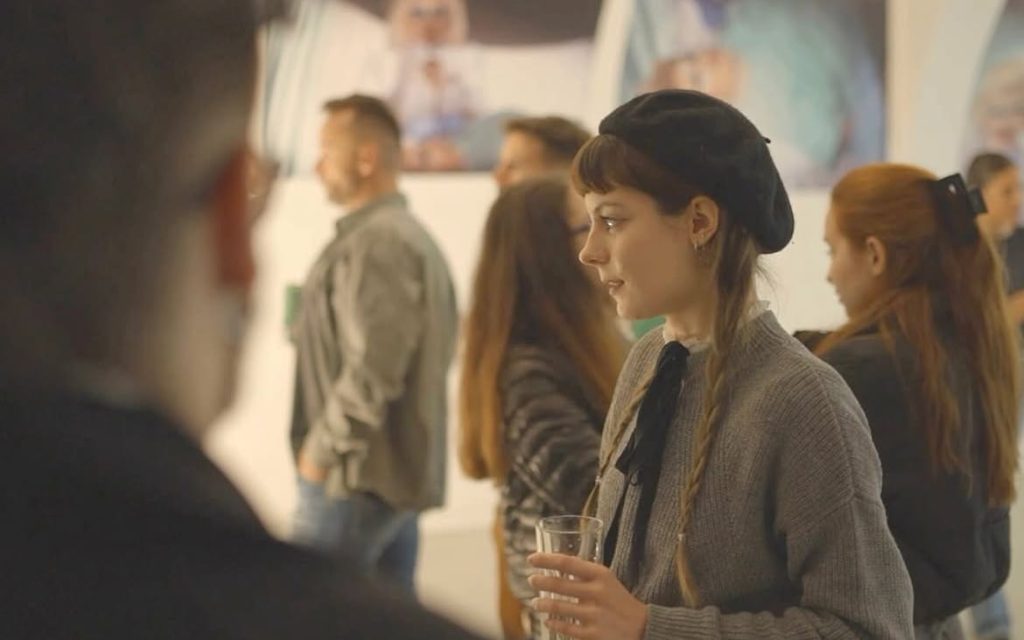
The multi-day drag performance programme was accompanied by workshops and an exhibition. The project focused on engaging event professionals who identify as trans-inclusive feminists, as well as drag performers with diverse gender identities and sexual orientations. The workshops Behind the Character and The Art of Transformation focused on character interpretation techniques in drag performance, movement and emotional expression, while also encouraging discussions on social stereotypes and gender inclusion. The art exhibition The Art of Transformation showcased works by LGBTI+ artists addressing themes of gender and identity. Presented throughout the festival, the exhibition attracted a diverse audience and provided an opportunity to explore gender equality and inclusion through art.
The project addressed tools for challenging anti-gender rhetoric, questioning gender roles, promoting gender equality, examining Serbia’s Gender Equality Index, highlighting the challenges faced by women and people who are socially perceived as women, and raising awareness of the harmful impact of TERF rhetoric. In doing so, it encouraged critical reflection on what it means to be cisgender or transgender, how femininity is perceived, and what labels are attached to “woman” as a social category that is not homogeneous.
The project successfully initiated dialogue on sensitive issues related to gender equality, identified shared priorities between drag performers and their audiences, and reached a more diverse audience beyond young people and members of the LGBTI+ community.
Grant amount: 1,403,000 RSD